Safari Guide
African Big Five Safari in Malaria Free Madikwe Game Reserve
Madikwe’s 75,000-hectare savanna ecosystem is a malaria free sanctuary where African wildlife thrives. Here, the Big Five (lion, leopard, elephant, buffalo, rhino) roam freely and with fewer vehicles on the trails than in Kruger, every safari experience feels intimate and special. Jaci’s private lodge guides lead game drives before dawn and at dusk, using keen predator-prey knowledge and local tracking lore to turn each outing into a live documentary. Guests don’t just check off animals from a list; they live the stories of the bush. Imagine sipping coffee at sunrise as a pride of lions’ pads past your open vehicle or sitting quietly under an ancient Leadwood tree while a herd of buffalo thunders by.
Each day in Madikwe is a lesson in ecological balance and conservation. Decades of wildlife management from the ambitious Operation Phoenix relocations to ongoing anti-poaching patrols mean you’re sharing this landscape with stable populations of rare and iconic species. Over 8,000 animals were reintroduced here in the 1990s, and today the reserve supports well over 10,000 animals and 66 large mammal species. As the only reserve bordering the Kalahari Desert, Madikwe also hosts unique wildlife like the rare brown hyena, which add exciting chapters to your safari story.
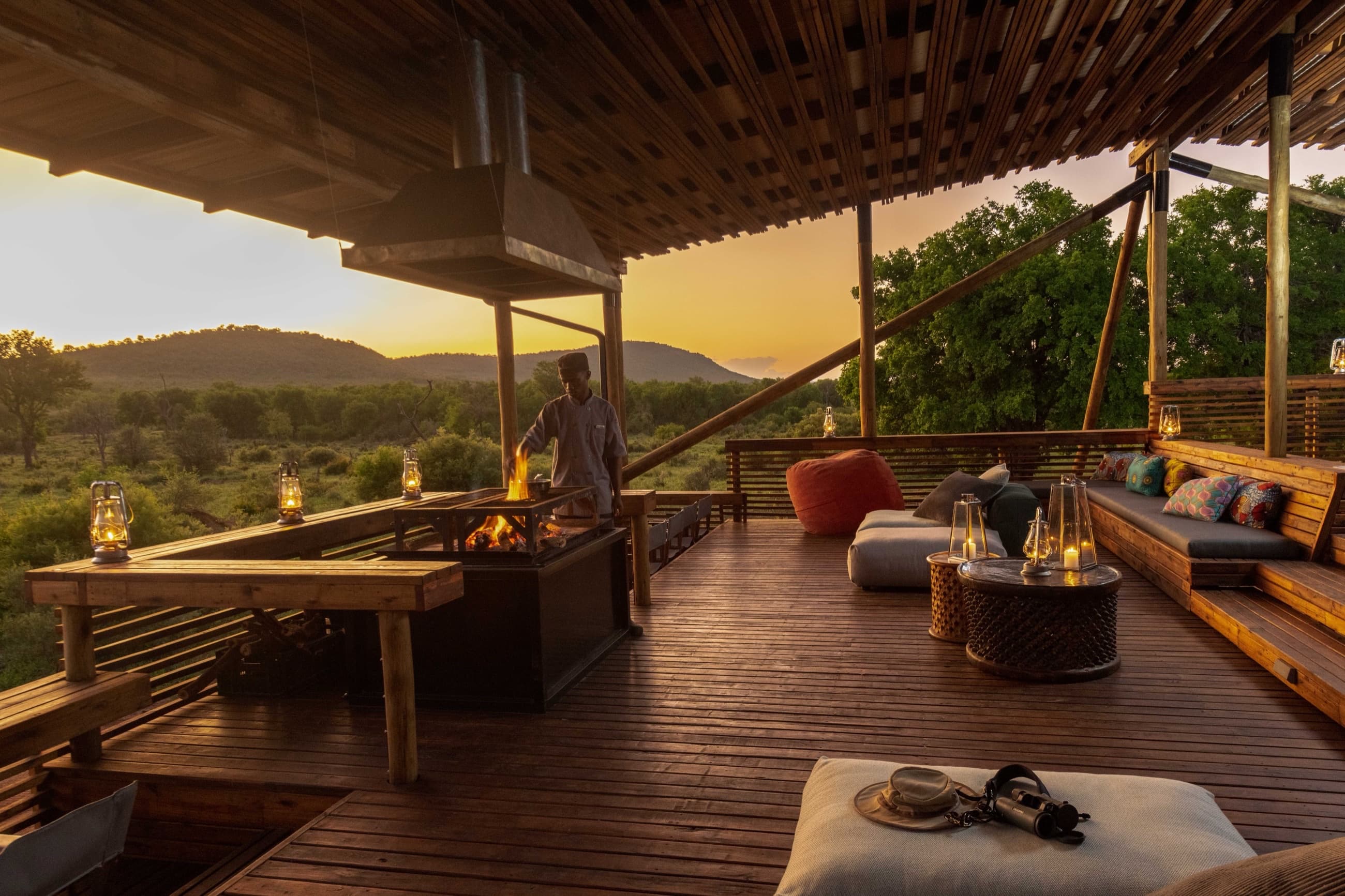
Wake at first light for morning coffee on the Jaci’s deck. Guests often share hushed stories of early sightings, perhaps a herd of elephants casting long shadows in the mist before tucking into a hearty brunch. Here, even mealtime is part of the adventure, with our open-air dining offering uninterrupted views of the bush. By lunch, you’ll be comparing highlight shots and tracking tomorrow’s wildlife encounter.
Tracking Lions in the Bush
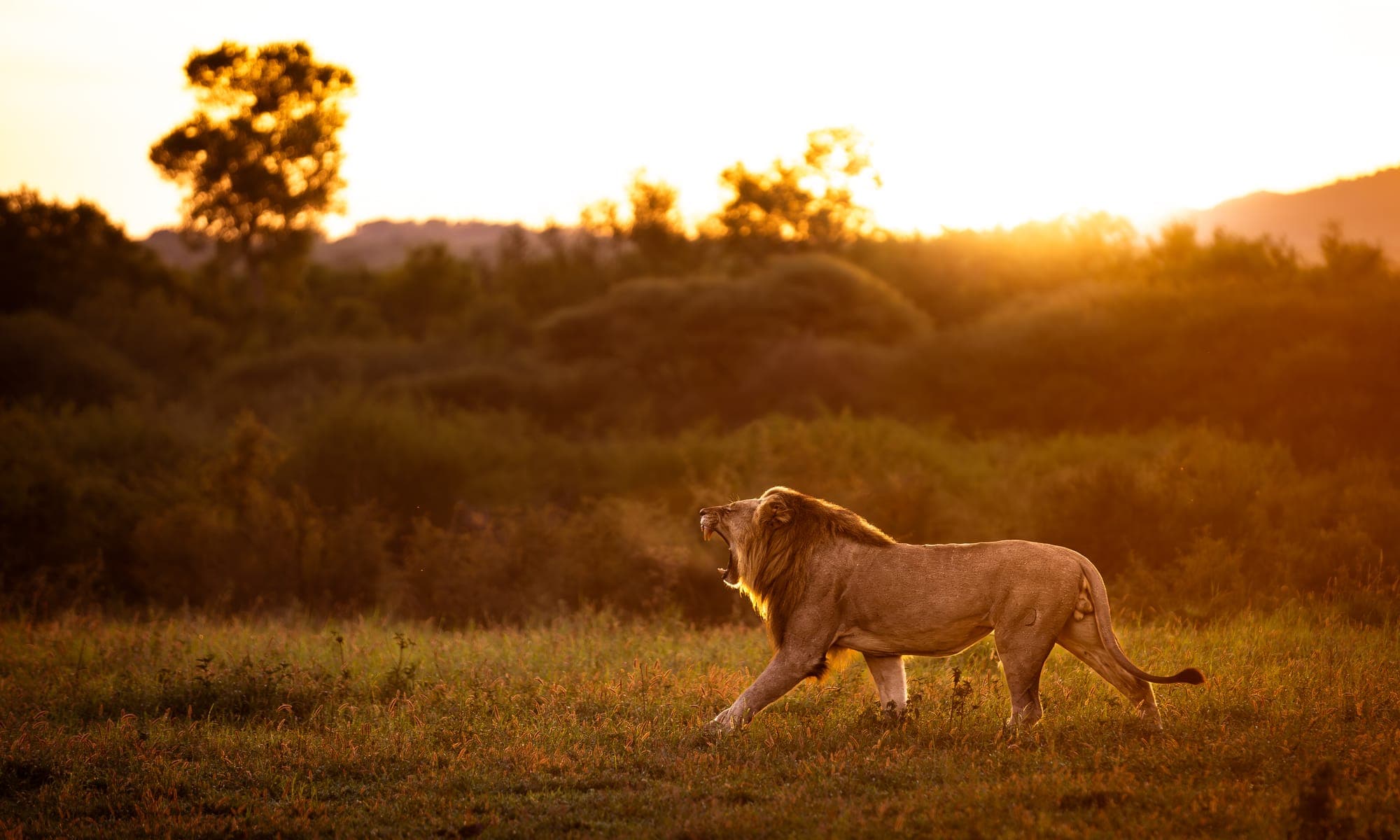
Lions are plentiful in Madikwe, often heard before they’re seen as their deep roars echo across the plains. Your guide might spot mane tufts snagged on acacia thorns or pick up faint communication signals as prides coordinate their movements. The social structure of a pride of lions moving in coalitions led by dominant males, with lionesses silently cooperating in hunting during the morning light, becomes clear on safari. We’ve watched lionesses crouch low in tall grass before springing in unison on a herd of impala, and seen playful cubs tumble in the shade while vigilant sisters circle the perimeter. These iconic animals define the bush, and Madikwe’s healthy prey herds give lions a reason to thrive.
For a unique lion experience, we sometimes visit a hidden grassy clearing just after sunrise. As the bush fog burns off, you might catch a lazy pride waking up. These moments stick with you: that quiet anticipation as you watch them stretch and lick cubs, truly a wildlife tourism highlight.
Sightings of Elusive Leopards
Leopards are the bush’s master of stealth, and Madikwe is famed for them even though sightings are more hit-and-miss than the other Big Five. These solitary cats become nocturnal magicians; guides often search near kopjes (rocky outcrops) and along riverbeds at dawn or dusk. If you’re quiet, you may see a female leopard padding along a creek or draped over a thorn tree with cubs playing beneath. Our guides read subtle clues, a fresh scratch on a tree, a scrabble of spoor in the dust, and share how leopards stash kills in branches to keep food from hyenas.
Spotting a leopard is a thrill: remember that relaxed young male lounging just meters from our vehicle. His golden coat seemed to glow as sunlight filtered through the canopy. We often encourage guests to keep binoculars focused on the treetops, where leopards will perch, or to consider an evening drive under spotlights. Expert tip: In this reserve, the best chance to see that leopard, is on the move when antelope graze at dusk.
Elephants: Giants of the Plains
Madikwe’s vast elephant herds are a testament to successful conservation. Field guides estimate over 1,200 elephants here, and it’s common to encounter them on almost every safari drive. These gentle giants travel in tight-knit family groups led by matriarchs, respected old cows who remember every watering hole and route. We marvel at how these massive beasts communicate: a low rumble or trumpet can signal joy, anger, or reunion with nearby kin. Their social bonds are deep, and we often watch mothers tenderly guide calves amid the shrubbery.
Often, our day begins with an elephant sighting. You might find a whole family at a muddy waterhole as dawn breaks. Cameras click while young bulls drink thirstily, and wise matriarchs keep watch. Because Madikwe’s elephants are accustomed to vehicles, we can approach them calmly: imagine craning your head to watch as an elephant reaches for a branch of a sunshade bush. It’s humbling and serene. According to our rangers, decades of habituation mean Madikwe’s elephants even tolerate safari vehicles, giving guests a rare chance for respectful close encounters with these animals.
Rhinos on Safari
Both white and black rhinos roam Madikwe, symbols of the reserve’s conservation triumph. White rhinos graze on open grasslands, often with calves at foot, and their square lips are easy to spot with binoculars. Black rhinos are far more elusive; shy and solitary, they prefer dense thickets. Most guests arrive hoping to glimpse a black rhino, and our guides treasure the maps of past sightings.
Encountering a rhino is to see a piece of prehistory: their armor-like skin and double horn are awe-inspiring. We take pride in Madikwe’s strong anti-poaching efforts; thanks to vigilant rangers, rhino numbers remain stable. Guests listen reverently as guides explain how each rhino has an identity and even a distinctive horn shape. Safety is paramount, so we keep a respectful distance (and quiet), letting these majestic creatures go about their day. Each sighting feels like a gift, one we often mark with a silent toast later at the Jaci’s firepit.
Cape Buffalo Herds
The Cape buffalo is the unsung titan of the bush, unpredictable, formidable, and always in herds. In Madikwe, we see buffalo in groups ranging from a few dozen to several hundred. Watching a herd lumber past in thick formation, horns glinting, is like witnessing a living fortress. Buffalo are matriarchal; an experienced female leads each herd, and every buffalo keeps close watch on its neighbors. When even a faint sniff of a predator spooks them, the entire group will hiss, snort, and cluster defensively.
One unforgettable afternoon, recently, our guests watched from the game viewer as a buffalo herd stood nose-to-nose with the pride of lions. These two great forces of nature sized each other up: the lions crouched low, tense, while the buffalo fanned out protectively. It was raw safari theatre; the herd eventually filed off slowly, their massive bulk and resolve convincing the lions to wait for an easier meal. This is the kind of powerful scene that defines a true African buffalo encounter.
In your game drives at Madikwe, it’s not unusual to cross paths with these giants of the veld. We always recommend binoculars to watch their herd dynamics, note how juveniles move near the adults’ bellies, how the lead female sometimes turns to assess the terrain, and how the herd reassembles if disturbed. Buffalo reinforced the lessons of the bush: survival is about cooperation and strength.
Planning Your Madikwe Safari
Madikwe’s magic is best felt in the dry winter months (May–September), when thinning vegetation and congregating herds make wildlife easier to spot. To make the most of your Big Five safari, follow these steps:
- Book early, pick ideal dates. Aim for the cooler, dry season or shoulder months. Tell us your wish list (maybe wild dog or cheetah too!), and we’ll tailor your safari.
- Choose malaria-free comfort. Jaci’s private lodge is set along a seasonal riverbed, a natural corridor where wildlife moves freely through the bush. From your suite, the experience doesn’t begin on a game drive. It’s already happening in front of you. Pack neutral-colored clothing (beige, khaki), sturdy shoes, and a good camera or binoculars.
- Learn safari etiquette. Always listen to your guide’s safety briefing. Stay seated in the vehicle, speak softly, and hold the cameras steady. The wildlife sees the vehicle as one large animal, so sudden moves or noise can spook them.
- Essentials to pack: Hat, sunglasses, and high-SPF sunscreen for the day; a light jacket for chilly dawn drives; and safari camera gear (extra batteries, memory cards).
- Binoculars and a good zoom lens will help capture distant lions or wary rhinos.
- When in camp: After dark, join our rangers by the campfire to watch the Milky Way rise or compare the day’s zebra-striped photos. Relax on your private deck under the stars; it’s not uncommon to hear a distant lion growl as you sip warm tea.
With these steps, you’ll be ready for the adventure. Madikwe’s remarkable biodiversity and our lodge’s warm hospitality ensure you have more than a vacation. You’ll have a series of unforgettable wildlife encounters. Get ready for heart stopping moments and breathtaking panoramas in the bush.
Why Choose Madikwe’s Big Five Safari
- Truly malaria-free: Relax and focus on game drives, not daily pills.
- All Big Five present: Lion, leopard, elephant, buffalo, rhino – plus wild dogs and cheetahs.
- Intimate experience: Fewer vehicles mean quieter morning safaris and photo-perfect scenes.
- Conservation hotspot: Witness the success of Operation Phoenix and modern anti-poaching efforts.
- Family-friendly: Wide open spaces and lodge comforts (pool, open decks) make for an ideal multi-generational trip.
Embark on a Big Five safari in Madikwe and discover why travelers describe it as a “hidden gem” of South Africa. The combination of guided expertise and raw wilderness will leave you with stories and stunning photos to last a lifetime.
Keep reading
More from the Journal

Awards & Recognition
Jaci’s Private Lodge Wins 4 LUXE Global Awards 2026
Jaci’s Private Lodge Celebrates Four Wins at the 2026 LUXE Global Awards We’re proud to share an exciting milestone for Jaci’s Private Lodge: four honors at the 2026 LUXE Global Awards, recognizing our approach to safari hospitality and the experience we continue to create in the heart of Madikwe Game Reserve. Jaci’s Private Lodge was […]
Jaci’s Stories
The Story of Jaci’s Private Lodge: Family, People and 26 Years in Madikwe game reserve
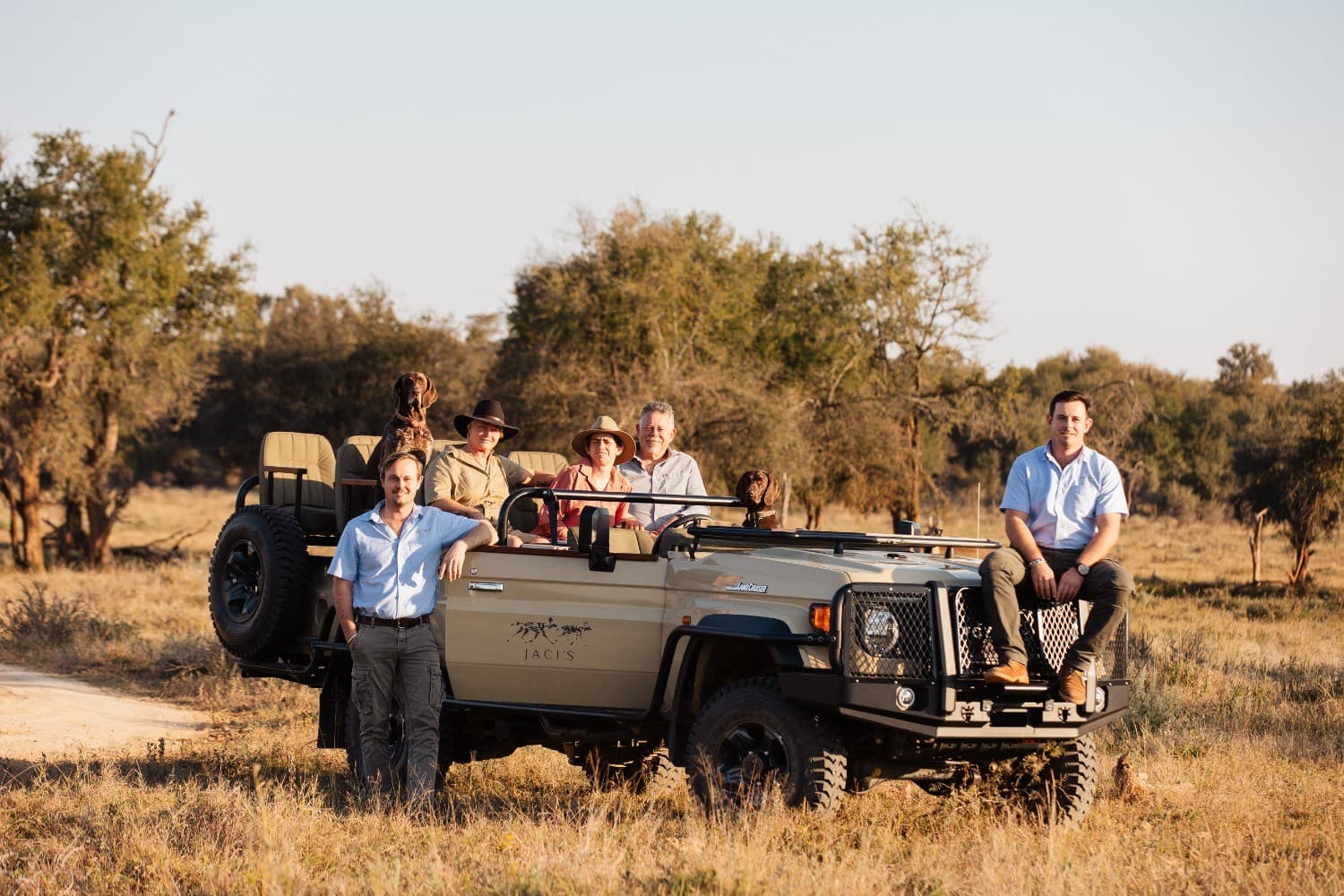
The Story of Jaci’s Private Lodge: Family, People and 26 Years in Madikwe game reserve The history of Jaci’s Private Lodge begins long before this family-run safari lodge became part of the Madikwe landscape. Jan and Jaci first met while living and working on Bazaruto Island, surrounded by the ocean, wild places and the kind […]
Safari Guide
Why Madikwe Is One of the Best Destinations for a First Safari in South Africa
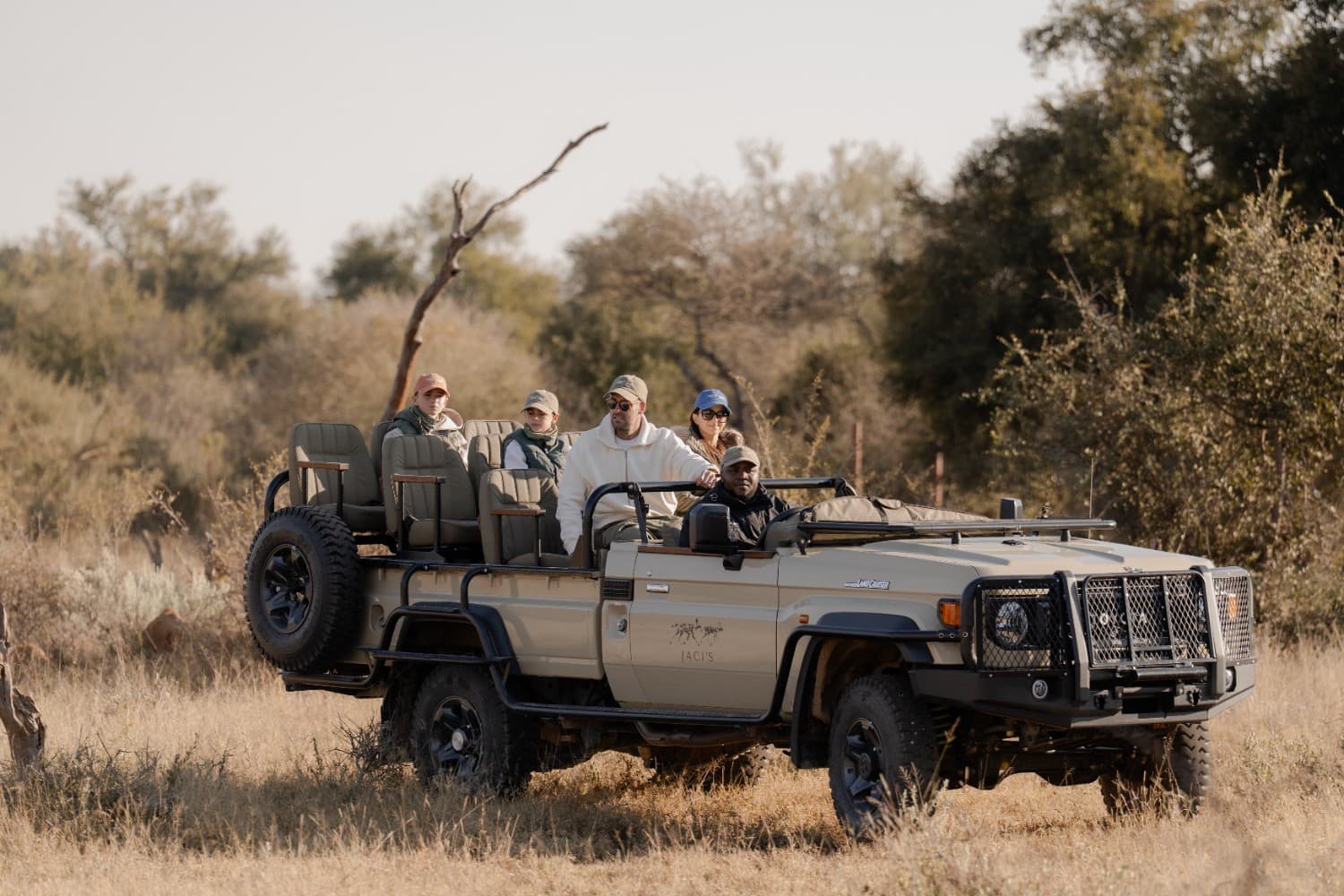
Why Madikwe Is One of the Best Destinations for a First Safari in South Africa Madikwe Game Reserve has a way of making a first safari feel complete. It is the kind of African safari that works especially well for a first timer. For guests planning their first safari in South Africa, there is often […]
Experience Madikwe with us
Come for the wildlife, stay for the warmth, and leave with a deeper connection to Madikwe.