
Wildlife
Elephants in Madikwe: Safari Lodge Guide
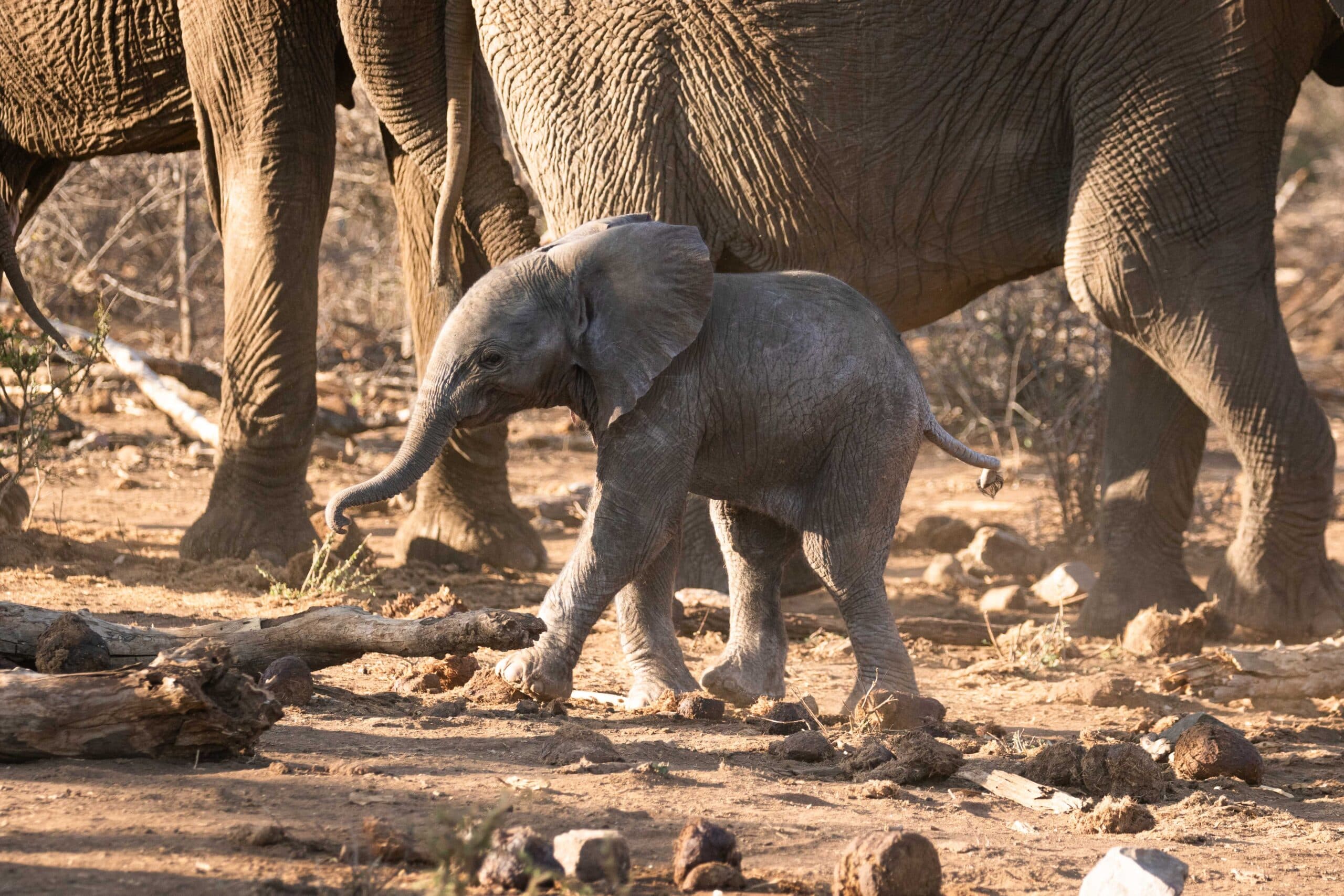
In Jaci’s safari vehicles, elephant sightings feel like a grand spectacle. We recall stepping out at dawn, the air cool and golden, as a looming silhouette emerges among the Tamboti trees. A matriarchal herd approaches the waterhole, babies in the middle, sub-adults flanking protectively, and the wise old matriarch at the front. Their ears are like sails, flapping as they communicate with deep, rumbling calls that often vibrate through our seats. Despite their size, they move silently and with surprising grace. Each safari drive with our expert guides can reveal family dynamics and behaviors steeped in centuries of survival wisdom. With every glance at long, curved tusks and knowing eyes, guests on our decks feel awe-struck by these gentle giants.
Madikwe’s elephants are the legacy of its rebirth. From the original 100 introduced in Operation Phoenix of the 1990s, their numbers have grown more than tenfold. Today, Madikwe is home to over a thousand elephants. We often discuss how this proliferation is both a blessing and a management challenge. The reserve has debated careful measures to balance the elephant population with the available forage. But for safari guests, the sight of massive herds grazing in open plains is nothing short of magical. Importantly, Madikwe’s fenced area (75,000 hectares) ensures these elephants thrive with abundant acacia, marula, and Tamboti trees for food.
Herd Dynamics & Matriarchal Leadership
Elephants live in tight family units steered by the oldest female, the matriarch. As our guide explains on a drive, “She’s the wise grandma of the herd.” We’ve seen these matriarchs make decisions in action. On a late afternoon game drive, our guide spotted uprooted grass and a water track. We followed until the matriarch raised her trunk and sniffed the air, then turned the herd toward a hidden waterhole. Within minutes, they gathered and began drinking. Her calm decision saved time and energy.
If we linger silently near a herd, we notice the social rituals. One unforgettable moment was when two elephant families met at a waterhole. As the leaders crossed paths, they entwined trunks in greeting, a gesture denoting respect and friendship. The rest of the herd followed in line. These are hallmarks of these creatures. Jaci’s guests are often surprised by how many emotions elephants’ display: from playful mud baths and affectionate touches to stern protective stances. It’s no wonder the saying “memory like an elephant” exists, researchers note these elephants remember water sources and family members even after long separations.
Large bulls may sometimes break off to roam, but even males communicate with the herd. Beneath our feet, we feel the ground vibrate, these are infrasonic rumbles that elephants use to call one another over kilometers (beyond human hearing). We don’t have a citation for this here, but our experience confirms that even when out of sight, elephant conversation is constant. Guests often ask if the elephants “hear” our vehicles. The soft thud of our vehicle is far quieter than their own rumbling calls, so the herds pay us little heed if we stay downwind and calm. We always approach slowly, honoring their space.
Safari Seasons & Sightings
For elephant viewing, Madikwe’s dry winter (June–September) is prime time. The bush thins, and multiple family herds converge on receding water sources. Mornings are cool and misty; afternoons sparkle with dust motes as herds wander. We schedule dawn and dusk drives during these months to take advantage of high visibility and mild weather. In contrast, the green season (October–May) brings thick vegetation and sporadic rains, so elephants spread out and might appear after thunderstorms in shady pools. Early guides tell stories of spotting herds midday by following low, fresh mud trails through the grasses.
Guests returning to the lodge say elephants were the highlight of their safari. We aren’t surprised. The slow sway of a herd against a pastel sky or the giant pawprints on the dusty road leave memories as big as the animals themselves.
A few elephant fun facts to carry with you:
- An elephant’s trunk is a “muscular hydrostat” with no bones or joints, and some zoo education sources describe it as having over 40,000 muscles, one reason it can do both delicate and forceful work.
- Elephant movement can create pathways, open up vegetation, and change access to resources for other species, part of why they’re often described as “ecosystem engineers” in conservation communication.
- A good elephant sighting feels slow. There’s time to watch breathing; time to notice how a trunk tests the air; time to see how a family moves like a single organism.
Safari Etiquette & Safety
Despite their might, Madikwe’s elephants tend to ignore silent safari vehicles. Nevertheless, we instruct guests to always respect the animal’s space. If a curious calf approaches our vehicle too closely, we stop quietly. A favorite guideline is, “If the elephant appears larger than your car, it’s time to back off.” Observing from inside the vehicle, one can marvel safely. Our guides point out that elephants rarely charge unless provoked.
As a precaution, we avoid any actions that might distress them: no loud noises or rapid movements and always remain seated inside the game drive vehicle. When respected, elephant viewing becomes safe and profoundly respectful.
Keep reading
More from the Journal

Awards & Recognition
Jaci’s Private Lodge Wins 4 LUXE Global Awards 2026
Jaci’s Private Lodge Celebrates Four Wins at the 2026 LUXE Global Awards We’re proud to share an exciting milestone for Jaci’s Private Lodge: four honors at the 2026 LUXE Global Awards, recognizing our approach to safari hospitality and the experience we continue to create in the heart of Madikwe Game Reserve. Jaci’s Private Lodge was […]
Jaci’s Stories
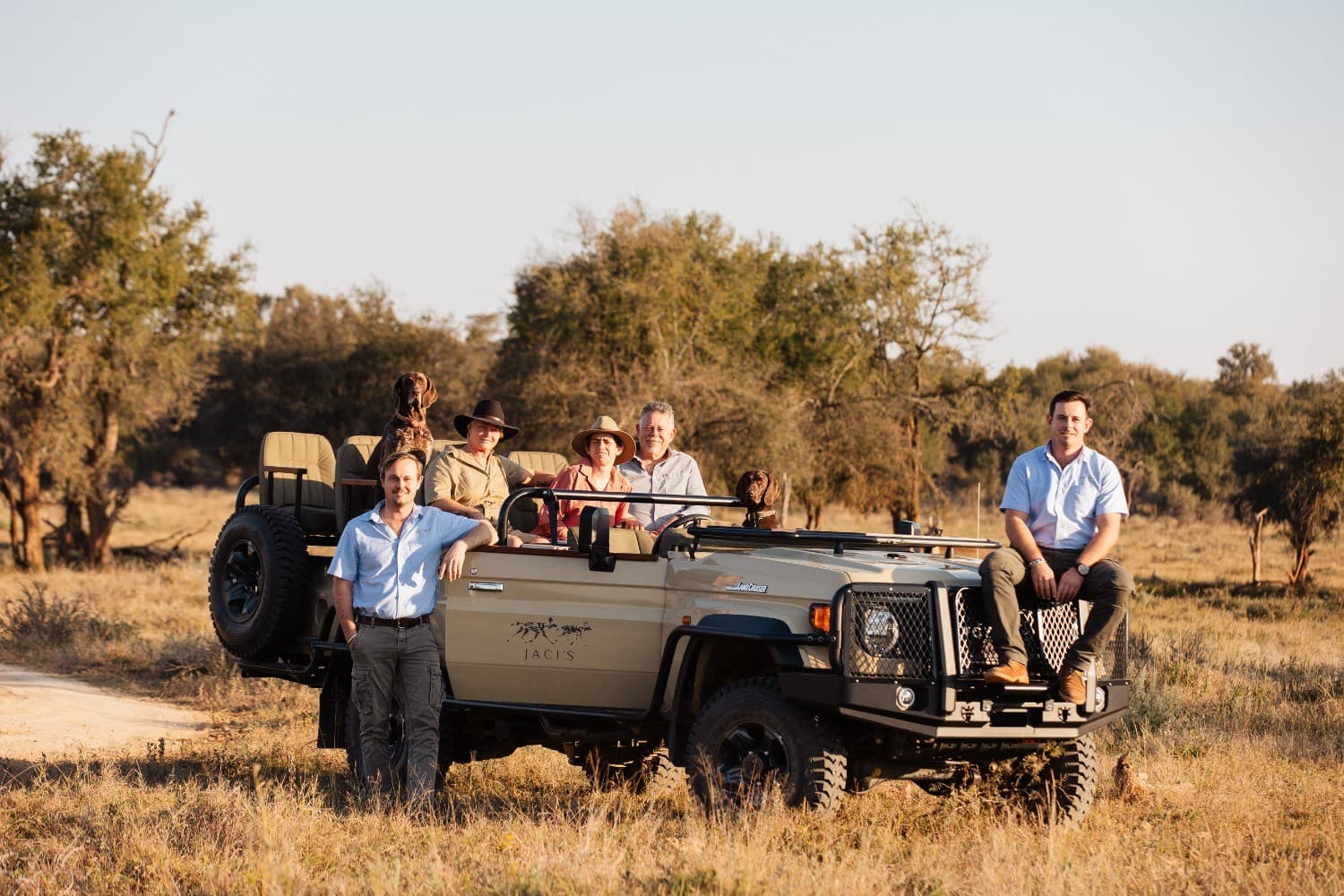
The Story of Jaci’s Private Lodge: Family, People and 26 Years in Madikwe game reserve
The Story of Jaci’s Private Lodge: Family, People and 26 Years in Madikwe game reserve The history of Jaci’s Private Lodge begins long before this family-run safari lodge became part of the Madikwe landscape. Jan and Jaci first met while living and working on Bazaruto Island, surrounded by the ocean, wild places and the kind […]
Safari Guide
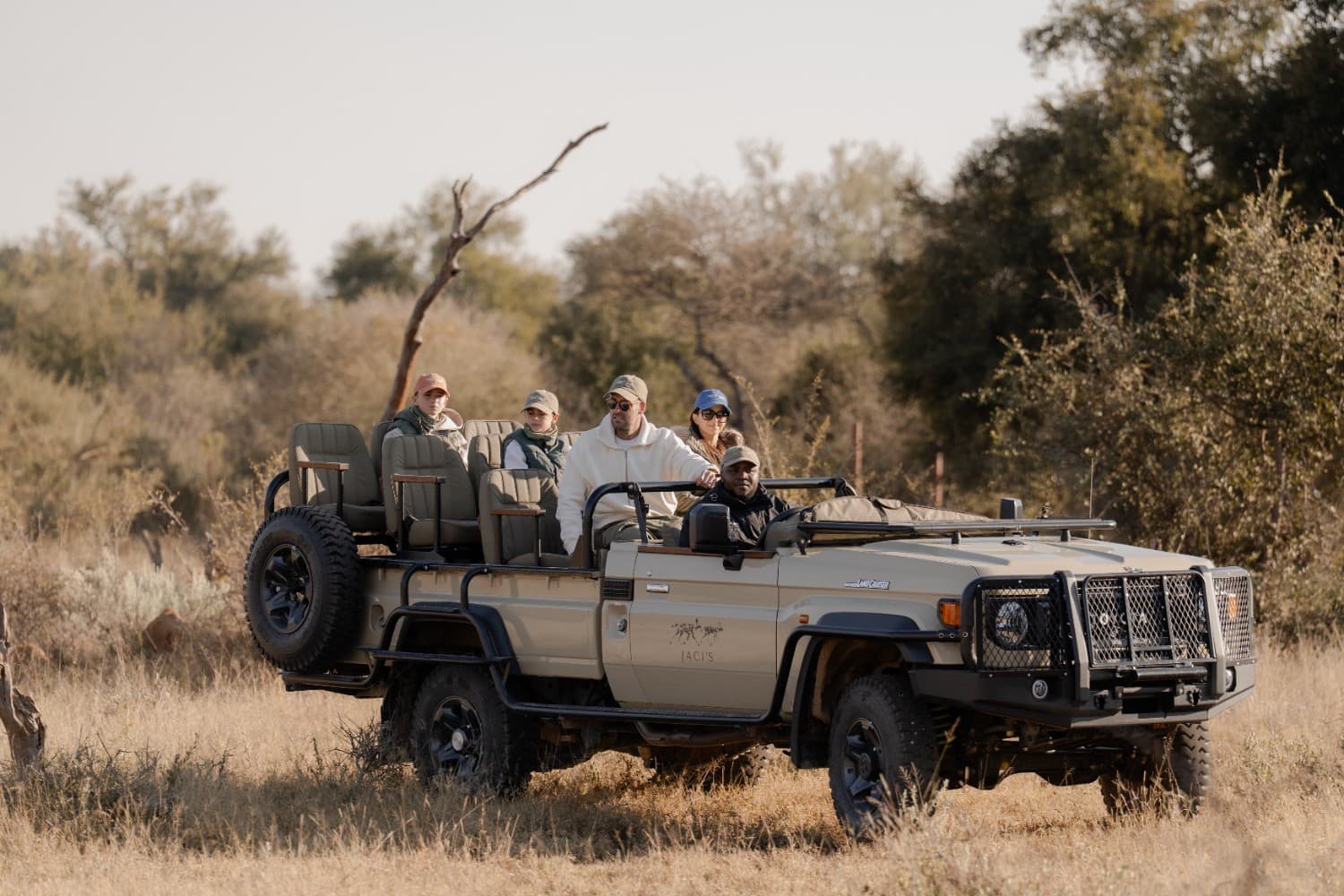
Why Madikwe Is One of the Best Destinations for a First Safari in South Africa
Why Madikwe Is One of the Best Destinations for a First Safari in South Africa Madikwe Game Reserve has a way of making a first safari feel complete. It is the kind of African safari that works especially well for a first timer. For guests planning their first safari in South Africa, there is often […]
Experience Madikwe with us
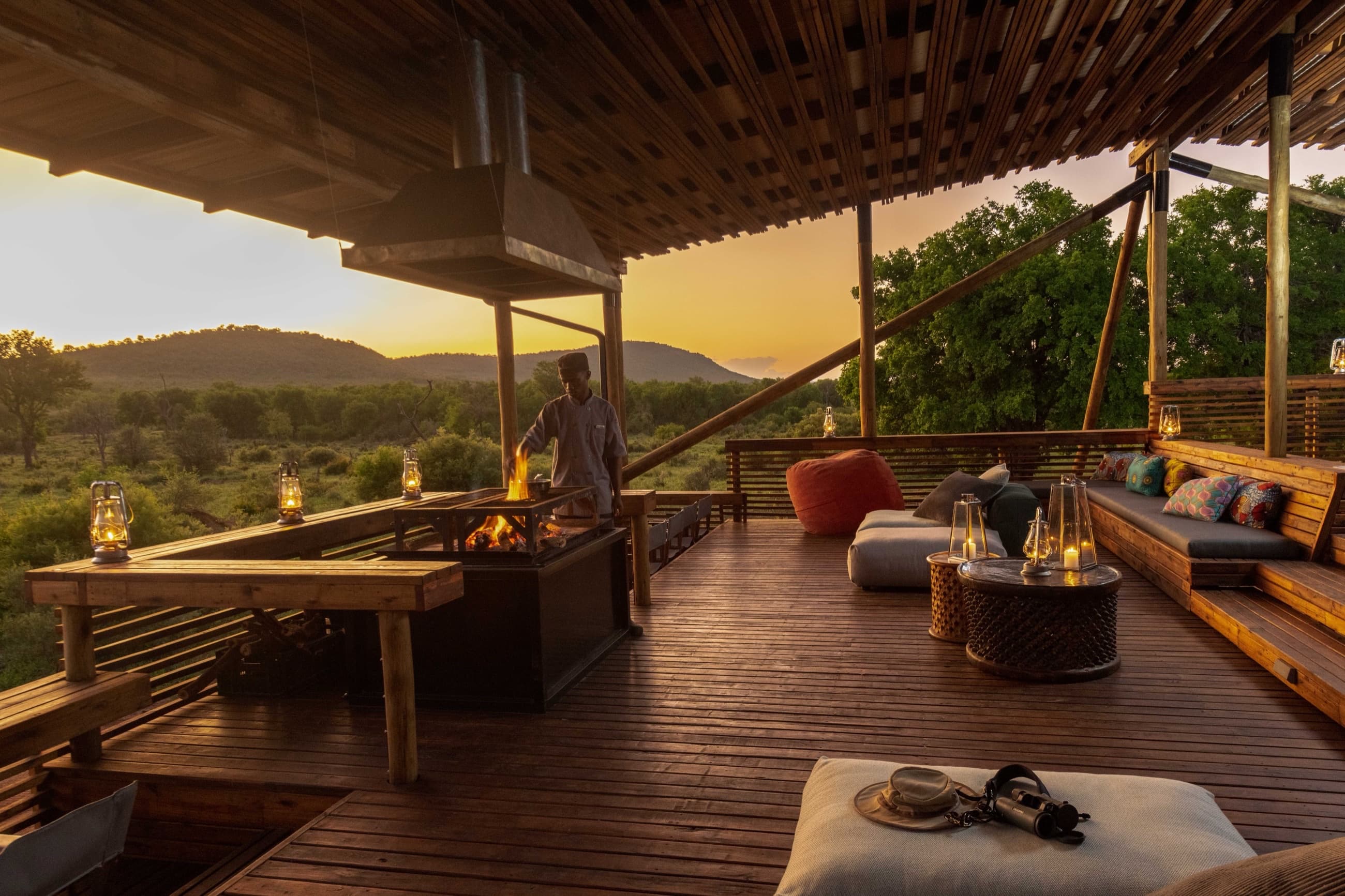
Come for the wildlife, stay for the warmth, and leave with a deeper connection to Madikwe.