Wildlife
Lions in Madikwe: Safari Lodge Guide
Madikwe Game Reserve spans about 75,000 hectares of malaria-free savanna reclaimed by Operation Phoenix’s massive 1990s wildlife relocation. Here, lions roam a mosaic of bushveld and riverine valleys. Each morning, our open safari vehicles roll out into that golden dawn light, and often the day’s first sighting is a lion pride waking up nearby. A lioness will stir her cubs, or a male coalition will rise to patrol the horizon. These moments, felt up close with the warm air of the bush around us, are the heart of the Jaci’s experience.
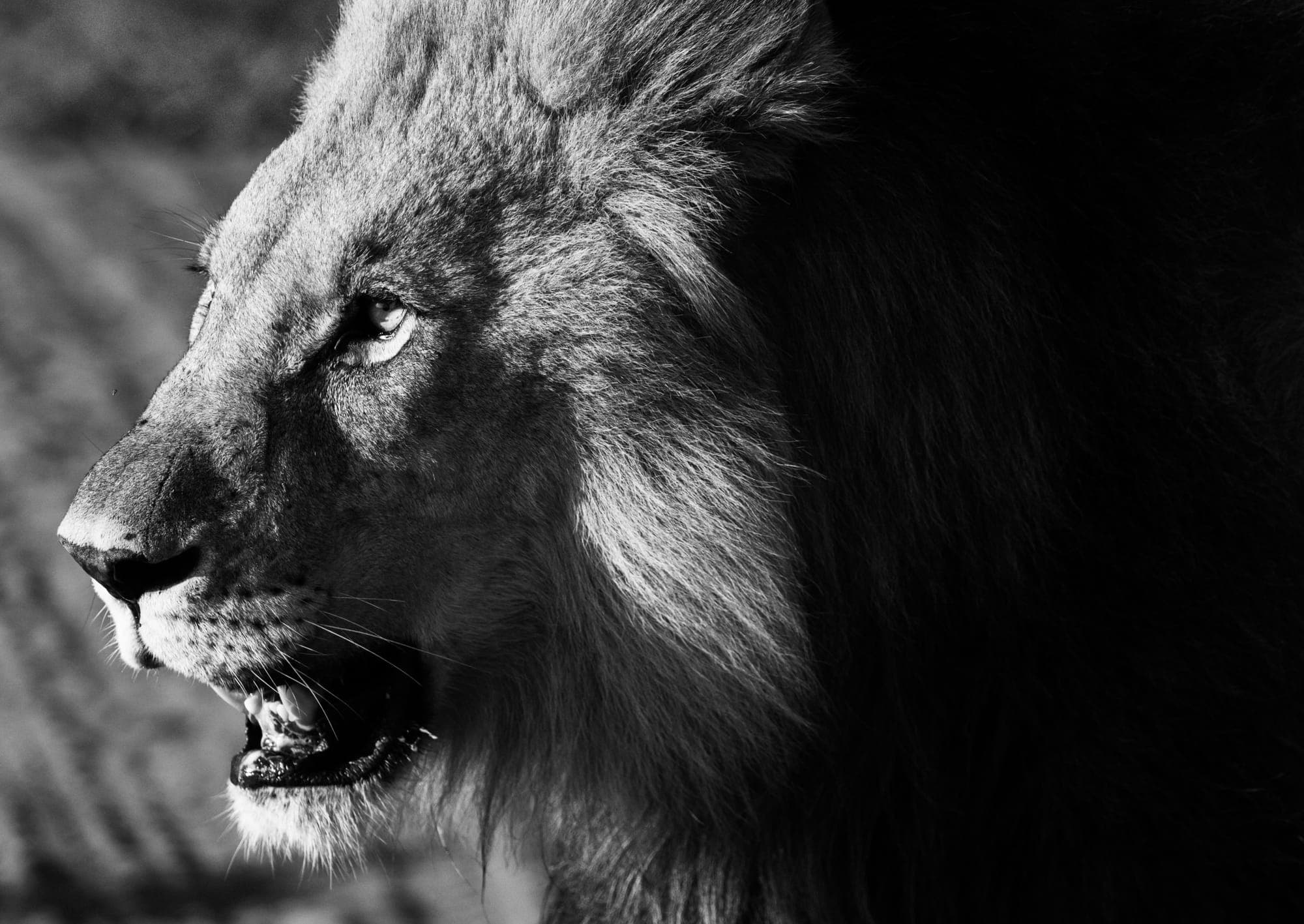
At dawn, we watch a lioness stride through the long grass, leading her cubs to a morning drink. Sunlight catches the tawny mane of a male lion as it prowls. We in the vehicle hold our breath when she freezes mid-step, ears pricked to subtle calls. This is Madikwe’s reality: plentiful lions in a private, crowds free reserve. Guests on our safari often remark that the calls of lions at sunrise, deep guttural roars that carry miles, are the sound of true wilderness. In fact, local guides use those calls as real time alerts: a distant roar can mean a pride has gathered at a waterhole, so we quietly steer the vehicle there.
Pride Dynamics & Behavior
A lion pride in Madikwe typically has about six related lionesses, their cubs, and a coalition of 2–3 males. The lionesses form the core of the pride. In their family bonds, we frequently see affectionate behavior: cubs nuzzle mothers, siblings tumble in play, and adults groom each other to reinforce social ties. Lionesses are the huntresses; they stalk antelope and buffalo in coordinated teams. Our guides note that lionesses communicate silently through whisker-tangling head rubs and subtle body cues as they close in on prey. After a successful hunt, the pride follows the usual hierarchy: the resident males eat first, then cubs, then the lionesses. This age-old system keeps the pride strong.
The males, forming an unrelated coalition, play a protective role. Our guests often chuckle watching these “kings of the bushveld” doze most of the day, mane glinting in the sun. True to pride dynamics, they rise when it’s time to patrol or defend. Sometimes during one of our twice daily game drives, guides at our Jaci’s private lodge will point out territorial scars on the males’ manes or scrapes on trees where they’ve scent-marked.
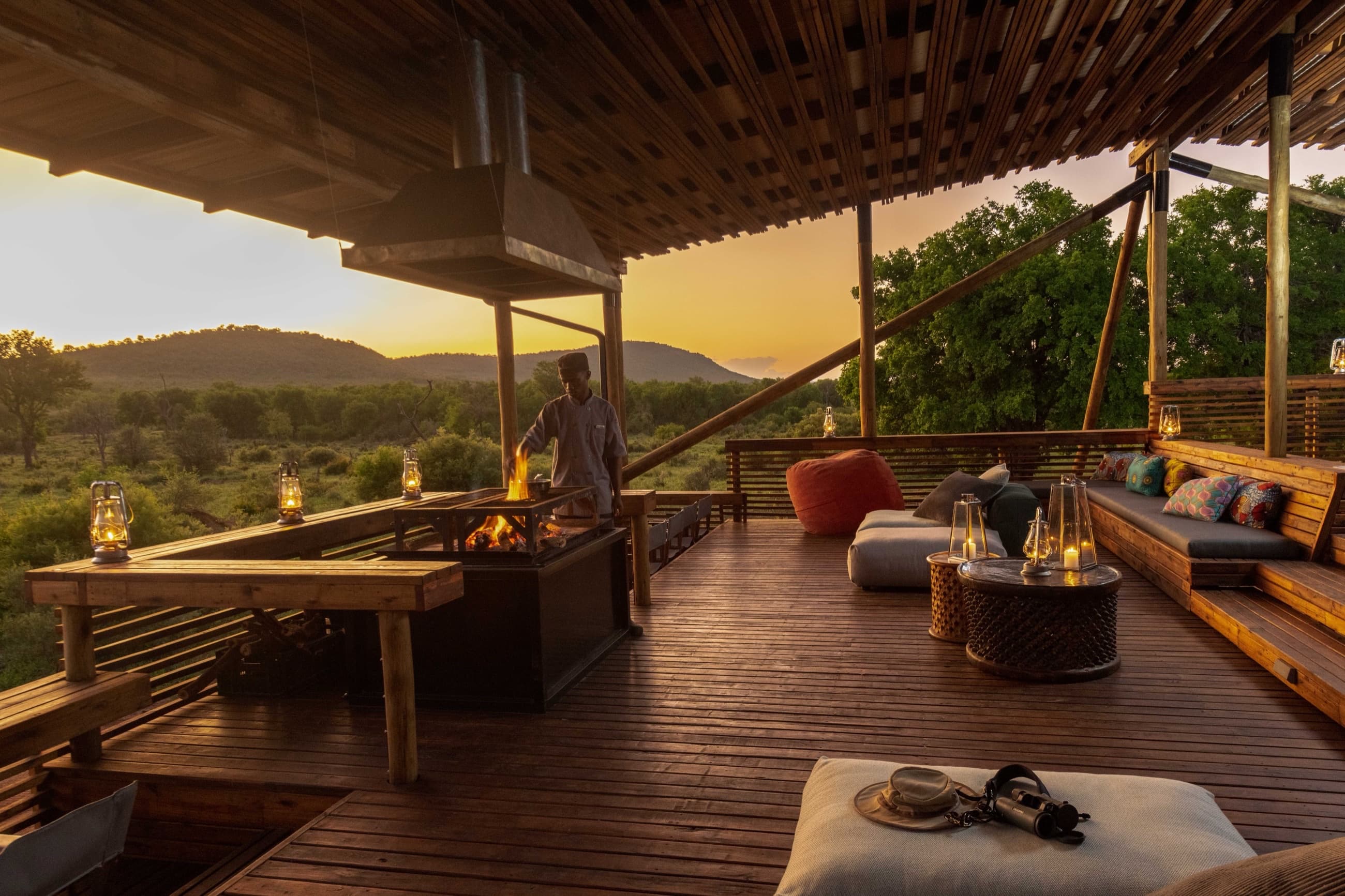
Thanks to Operation Phoenix and strict protection, Madikwe’s lion population is robust, roughly 60 lions according to the latest surveys. Unlike larger parks, we don’t share the reserve with crowds of day visitors, so each sighting feels intimate. Nightfall sees our guests lounging by lantern light in camp, recounting how the male pride roared at sundown, a reminder that even near the lodge, lions are the rulers of this land.
Best Time to See Lions
The dry winter months (June–September) are prime for lion sightings. The bush thins and animals crowd around shrinking waterholes, making tracking easier. Our guests book these months eagerly. Conversely, during the wet season (November–March), the landscapes turn lush and antelope births peak; with grasses grown tall, this means hunting is slightly easier for them to pick easier, young prey to hunt.
Our guides tailor drives to the conditions. In the winter months, the morning drives depart slightly later and the afternoon drives a little bit earlier in order to experience the optimal game viewing times each day
A few lion fun facts that are worth keeping in mind:
- A lion’s roar is not just dramatic, it’s functional. The Smithsonian’s National Zoo notes that in open savanna a roar can be heard from over 5 miles (about 8 km), and a measured roar reached 114 decibels in one experiment used for territory and communication.
- Lions rest a lot, some sources note they can sleep or rest for up to around 20 hours a day, especially in heat, conserving energy for bursts of activity.
Safari Etiquette & Safety
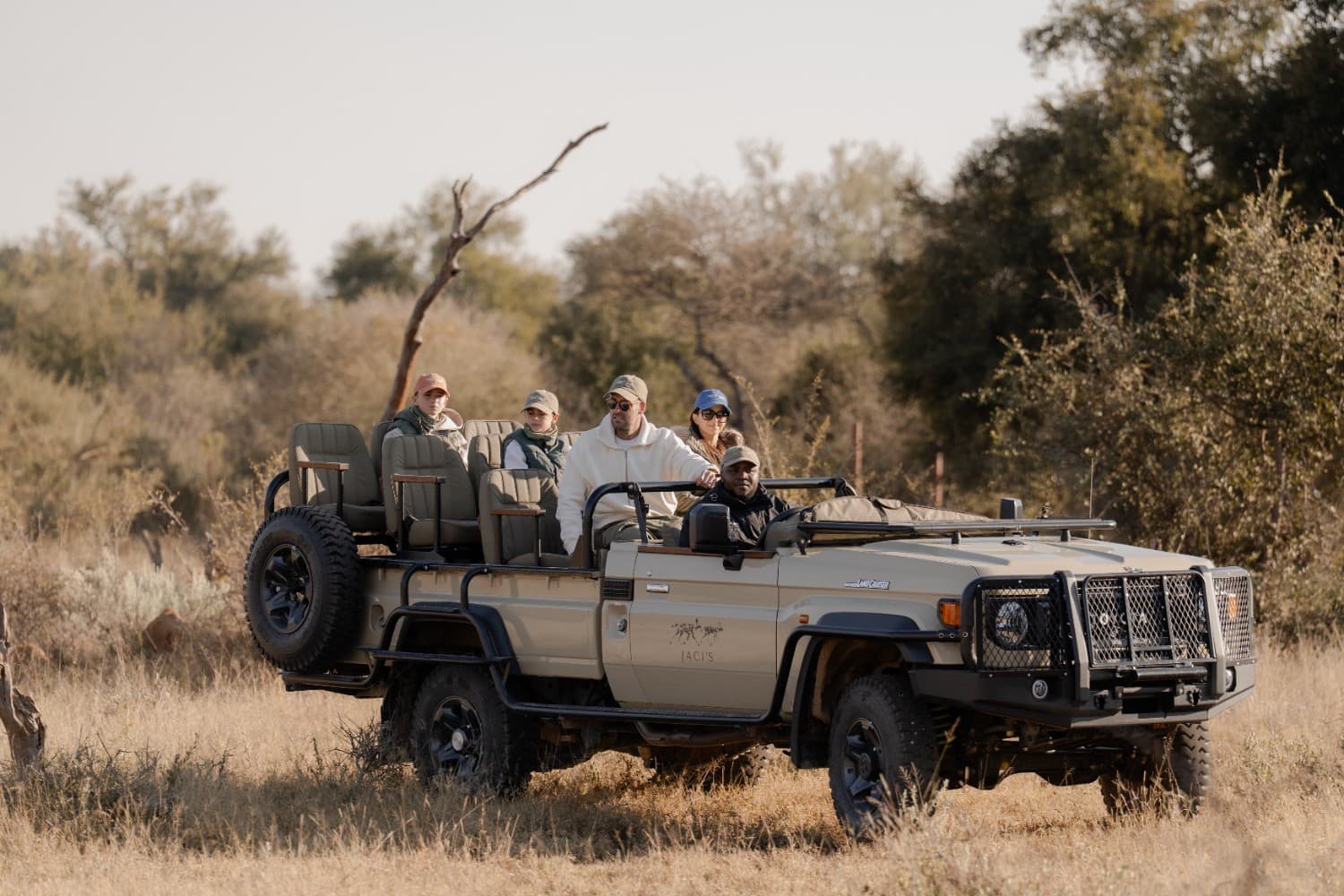
From our perspective, safety and etiquette are paramount. We brief all guests: never stand in the vehicle or stick limbs outside. Our custom vehicles keep everyone safe as we approach, and we always stop at a safe distance where the lions are calm. We emphasize silence: lions can easily hear human voices, so we whisper and often switch off spotlights if they turn toward us.
Riding with an experienced guide means such encounters follow a rhythm. In compliance with Northwest Parks rules, our guides can go off-road to give guests front-row views. This careful off-track driving is what creates suspenseful and memorable lion sightings at Jacis.
Keep reading
More from the Journal

Awards & Recognition
Jaci’s Private Lodge Wins 4 LUXE Global Awards 2026
Jaci’s Private Lodge Celebrates Four Wins at the 2026 LUXE Global Awards We’re proud to share an exciting milestone for Jaci’s Private Lodge: four honors at the 2026 LUXE Global Awards, recognizing our approach to safari hospitality and the experience we continue to create in the heart of Madikwe Game Reserve. Jaci’s Private Lodge was […]
Jaci’s Stories
The Story of Jaci’s Private Lodge: Family, People and 26 Years in Madikwe game reserve
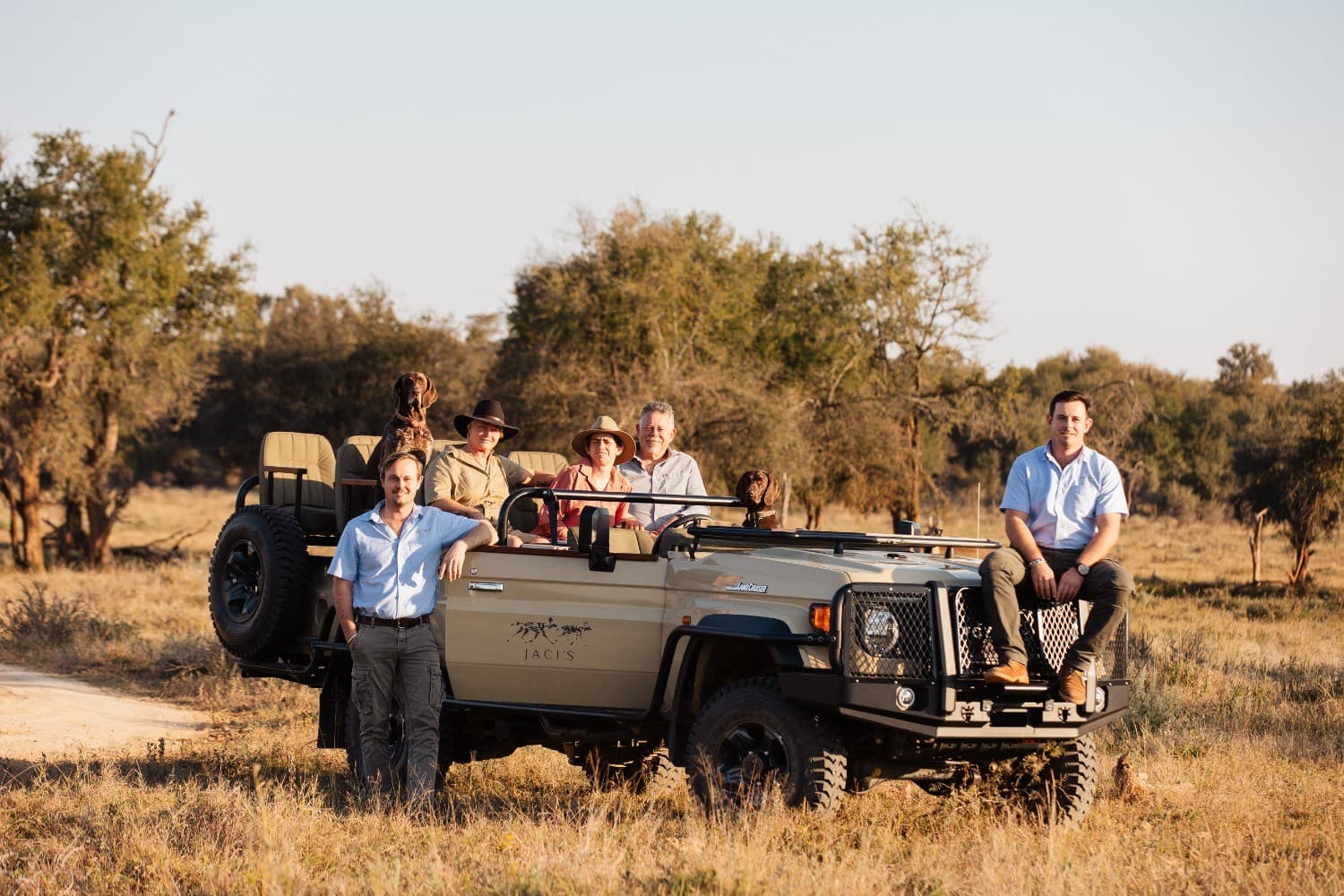
The Story of Jaci’s Private Lodge: Family, People and 26 Years in Madikwe game reserve The history of Jaci’s Private Lodge begins long before this family-run safari lodge became part of the Madikwe landscape. Jan and Jaci first met while living and working on Bazaruto Island, surrounded by the ocean, wild places and the kind […]
Safari Guide
Why Madikwe Is One of the Best Destinations for a First Safari in South Africa
Why Madikwe Is One of the Best Destinations for a First Safari in South Africa Madikwe Game Reserve has a way of making a first safari feel complete. It is the kind of African safari that works especially well for a first timer. For guests planning their first safari in South Africa, there is often […]
Experience Madikwe with us
Come for the wildlife, stay for the warmth, and leave with a deeper connection to Madikwe.