
Wildlife
Leopards in Madikwe: Safari Lodge Guide
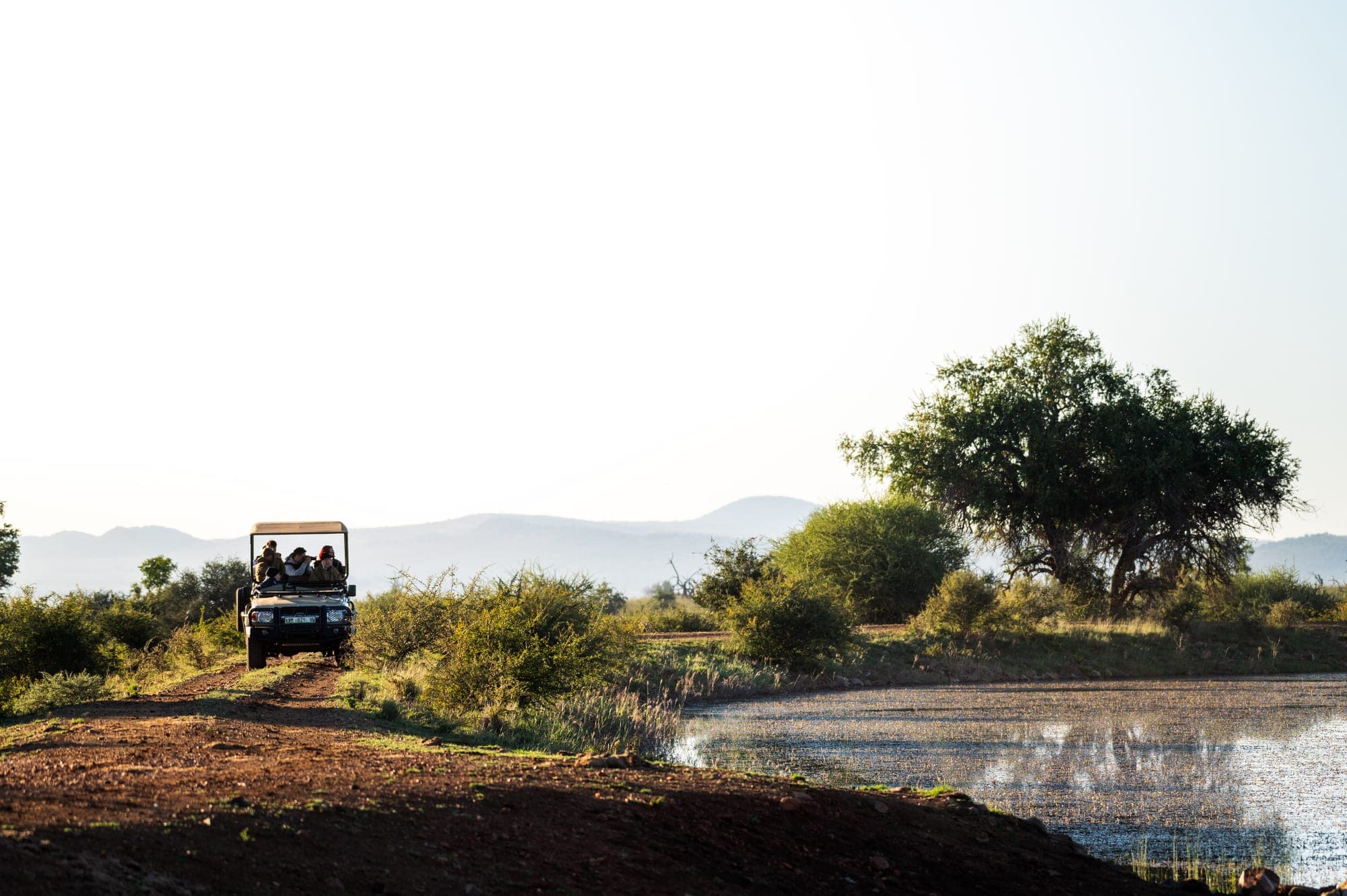
Our day at Jaci’s private lodge often begins at dawn with anticipation in the air. We load into our open vehicle as twilight settles, coffee mugs in hand. The air is cool, every bush silhouette alive with possibility. Leopards are masters of the night; their silent world is one we’re privileged to enter. As guides at Jaci’s private lodge, we share breathless moments when a rustle in the underbrush or a distant low growl signals a leopard’s presence. In Madikwe’s vast 75,000-hectare reserve reborn by the massive Operation Phoenix reintroductions of the 1990s, these big cats thrive alongside all the other Big 5. That commitment to conservation and the absence of day visitors means every sighting feels private and profound.
As darkness deepens, our guide flips on the spotlight. In the beam, a pair of glowing eyes. The vehicle stops. In the distance, a female leopard steps out, muscles rippling under her golden coat. Even in our privileged luxury, we hold our excitement in check. These predators are solitary and cautious by nature. She pauses, ears twitching, then vanishes into thickets. We follow quietly; lungs shallow. A moment later, another pair of eye’s shimmers back on. It’s her cub, practicing the art of being invisible… This recent encounter was heart pounding. A true privilege witnessing the next generation of a resident leopard female often seen near the lodge.
Elusive Behavior & Tree Caching
By day, leopards often vanish. As one of Africa’s most secretive predators, a leopard in Madikwe might be sleeping in dense undergrowth or up in a tree. A typical sight: a lone cat draped over a high branch, belly hanging down like a hammock, paws dangling. We’ve learned to scan the canopy, because these cats love vertical cover. An unforgettable memory: a guide once pointed out a female curled around a thick branch fifty meters overhead, meal residue underfoot. Indeed, leopards in our area frequently drag their prey into trees to stash it. But what always amazes, is the size and weight of these animals that a leopard is able to climb up a tree with. This tree’s caching behavior helps it avoid hyenas and lions. We noticed one late night as a leopard dragged half a small buck up a leadwood tree how she nimbly did repeat runs up and down as she fixed the carcass’s position.
Nighttime cat hunts follow a meticulous rhythm. Observant guests know on a warm evening, leopard activity picks up. Our even drives usually venture toward watering holes at peak twilight. Recently during a drive, at one of these times, our guide signaled “she’s here.” A view with the spotlight showed a leopard slinking along a water bank, a majestic silhouette against the moonlit grass. We describe these scenes as “dances of shadows.” It’s simply one of the most thrilling nocturnal hunting experiences a guest can have. With cat-like grace, she paused and pounced on a startled guinea fowl, then disappeared into the scrub before any scavengers arrived.
Reserve Insights & Seasons
Madikwe’s varied terrain, specifically the riverine woodlands and rocky outcrops, suit leopards well. The reserve’s history is key: after decades as farmland, a monumental Operation Phoenix effort rewarded Madikwe in 1991. Leopards were part of that comeback. Now, Madikwe’s Big Five ecosystem includes them among top predators. The population has grown impressively and their success owes to abundant prey (impala and warthogs are favorites) and thick cover to hunt from.
Seasonally, we focus our efforts when leopards are more visible. The dry winter (May–October) is prime time. The night skies are clear, and the bush is thinner, making it easier to catch the flash of those reflective eyes. In contrast, the wet season brings dense foliage.
A few leopard fun facts that make them even more interesting:
- The African Wildlife Foundation notes that, pound for pound, leopards are the strongest climbers among big cats and describes anatomical adaptations that support climbing strength.
- Leopards have a vocalization often described as a “sawing” call deep and rasping, and it’s increasingly discussed as a potential tool for monitoring individuals through sound in conservation contexts.
In a lodge environment that encourages stillness and unhurried time to sit at a hide, to take time to watch a tree line, often become less about luck and more about attention.
Safari Etiquette & Safety
Respect and caution are paramount. We always brief guests: never spotlight a leopard directly in the eyes or shout. When one is spotted, we cut engines and turn off lights, letting our eyes adjust. We ensure nobody leans out of the vehicle. On a technical note, our safari vehicles blend into the dark and we slowly form long exposures with red light spotlights or low beams to watch from afar.
Keep reading
More from the Journal

Awards & Recognition
Jaci’s Private Lodge Wins 4 LUXE Global Awards 2026
Jaci’s Private Lodge Celebrates Four Wins at the 2026 LUXE Global Awards We’re proud to share an exciting milestone for Jaci’s Private Lodge: four honors at the 2026 LUXE Global Awards, recognizing our approach to safari hospitality and the experience we continue to create in the heart of Madikwe Game Reserve. Jaci’s Private Lodge was […]
Jaci’s Stories
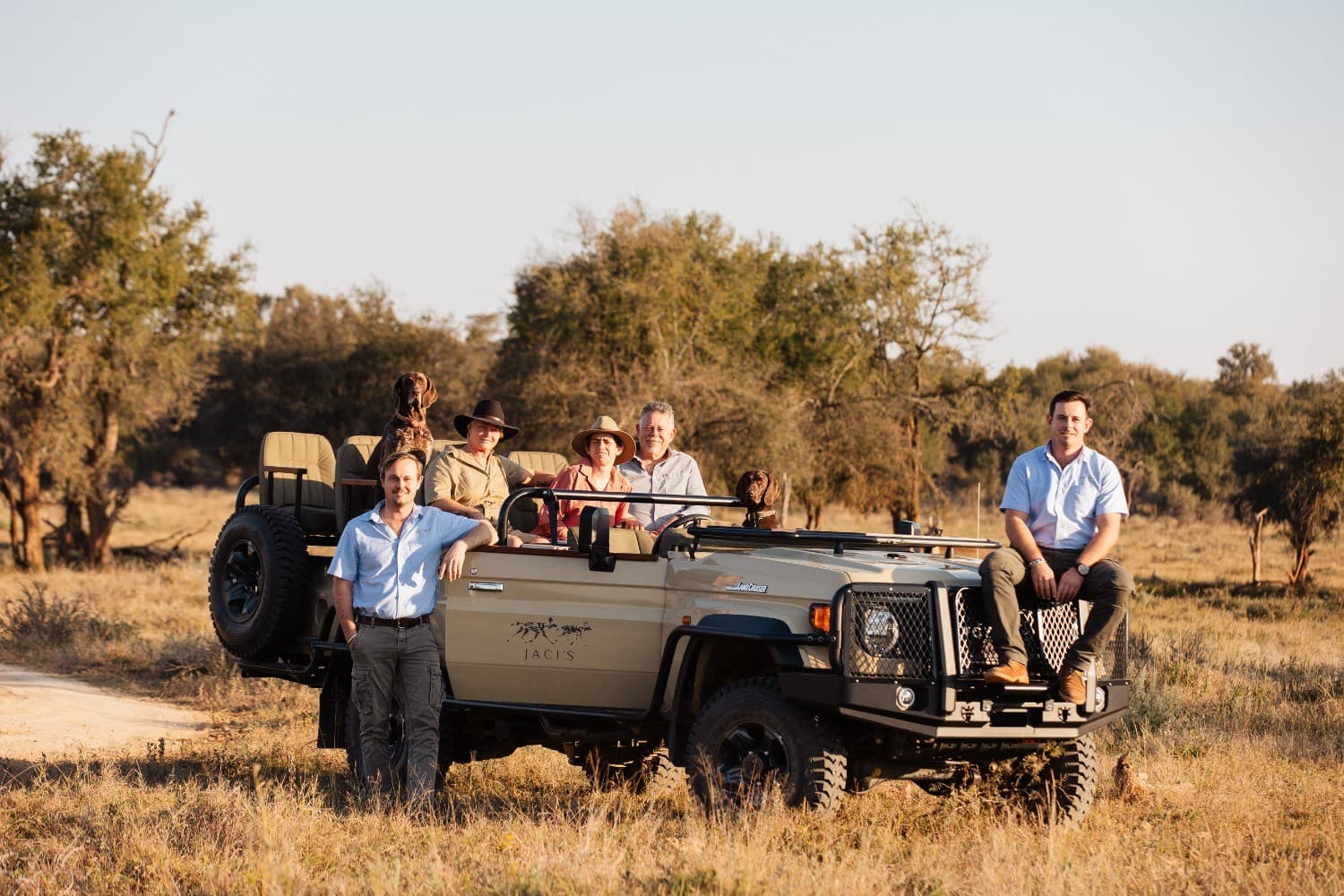
The Story of Jaci’s Private Lodge: Family, People and 26 Years in Madikwe game reserve
The Story of Jaci’s Private Lodge: Family, People and 26 Years in Madikwe game reserve The history of Jaci’s Private Lodge begins long before this family-run safari lodge became part of the Madikwe landscape. Jan and Jaci first met while living and working on Bazaruto Island, surrounded by the ocean, wild places and the kind […]
Safari Guide
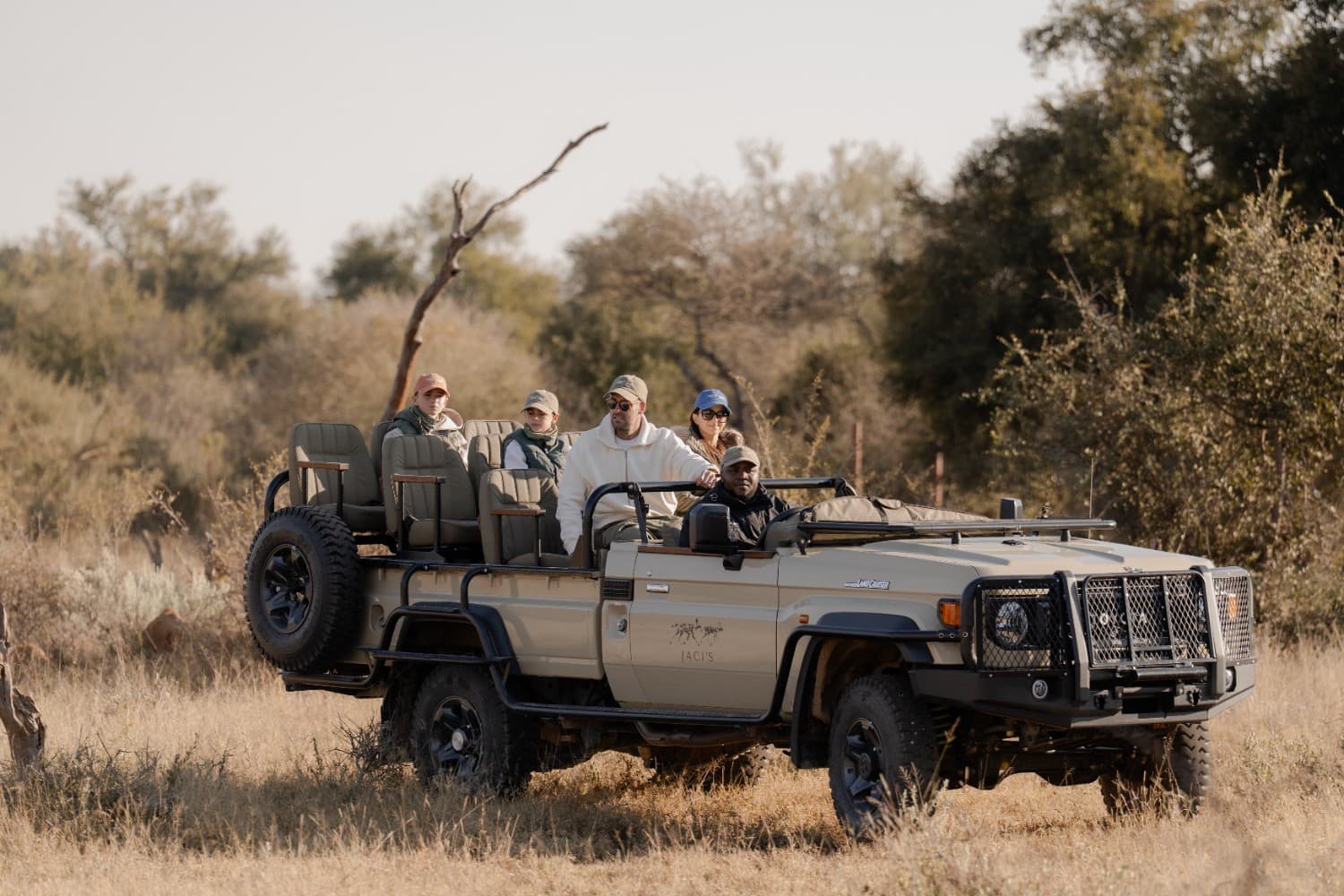
Why Madikwe Is One of the Best Destinations for a First Safari in South Africa
Why Madikwe Is One of the Best Destinations for a First Safari in South Africa Madikwe Game Reserve has a way of making a first safari feel complete. It is the kind of African safari that works especially well for a first timer. For guests planning their first safari in South Africa, there is often […]
Experience Madikwe with us
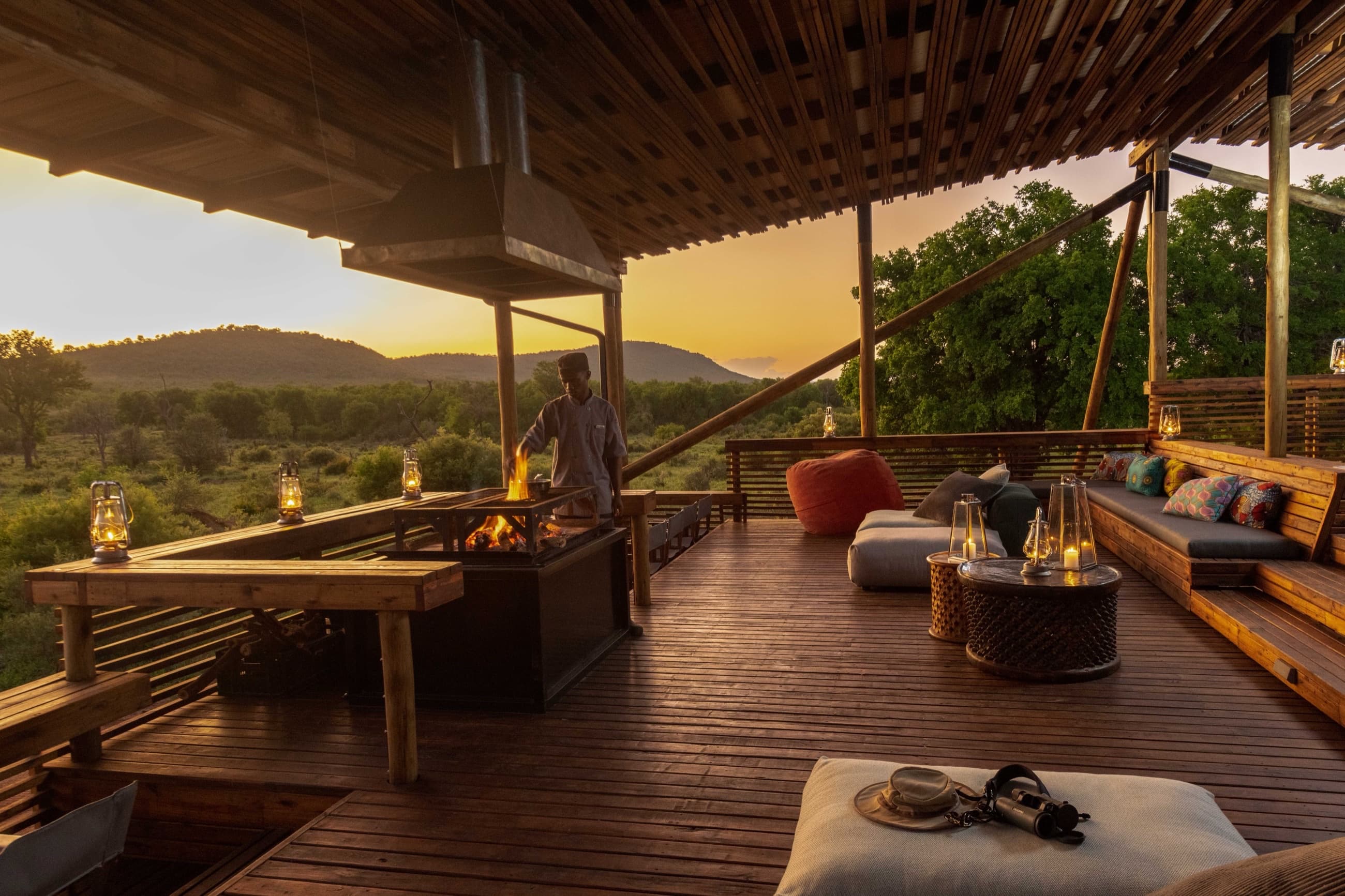
Come for the wildlife, stay for the warmth, and leave with a deeper connection to Madikwe.