Travel Planning
Malaria Free Safari in South Africa: Where to Go & What to Expect
A malaria free safari in South Africa appeals to travelers who want the depth and atmosphere of a classic safari without adding malaria risk planning to the itinerary. It is a practical choice, but not a lesser one. The right reserve still offers dawn starts, open-vehicle game drives, long silences in the bush, and the sudden electricity of a sighting when everyone leans forward at once.
In South Africa, malaria risk is concentrated mainly in parts of the northeast, while much of the rest of the country is considered outside known malaria transmission zones. That is what makes the country so attractive to travelers who want a safari that feels easier to plan, especially families, first-time safari visitors, and anyone who would rather not include medical decisions in the trip unless necessary.
What Is a Malaria Free Safari?
A malaria free safari means choosing a destination outside the areas where malaria transmission is a recognized travel health concern. It does not mean there are no mosquitoes, nor does it mean travelers can ignore ordinary outdoor precautions. It simply means the safari itself is based in a region where malaria risk is not the defining planning issue.
That distinction matters because malaria planning usually happens in layers. In risk areas, public health guidance focuses on two things: avoiding mosquito bites and discussing chemoprophylaxis where appropriate. In malaria free regions, the second layer often falls away, while the first remains good practice, especially in warm weather.
For many travelers, that changes the feel of the trip before it even begins. The planning becomes cleaner. The itinerary feels more settled. The focus shifts back where it belongs: wildlife, landscape, season, and the quality of the safari itself.
Is South Africa Malaria Free?
South Africa is not entirely malariafree, but large parts of it are. Malaria risk is mainly associated with parts of Limpopo, Mpumalanga, and northern KwaZulu Natal. Kruger National Park falls within a malaria risk area, and SANParks identifies Kruger and Mapungubwe as the two national parks in its system where malaria risk is a concern. SANParks also notes that the highest risk period in Kruger is generally between November and April.
At the same time, South Africa also has some of the continent’s most established malaria free safari options. Madikwe is described by South African Tourism as one of South Africa’s foremost malaria free Big Five reserves. Pilanesberg is also presented as malaria free, and SANParks states that Addo Elephant National Park is situated in a malaria free area. So the real answer is simple: South Africa offers both malaria risk and malaria free safari regions. Choosing between them is less about fear and more about fit.
Best Malaria Free Safari Destinations in South Africa
South Africa’s malaria free safari landscape is broad enough to offer genuine choice. Some reserves are easier to reach. Some feel more open and public. Others feel more private, more lodge led, and more contained. The best destination depends on the kind of safari you want.
Madikwe Game Reserve
Madikwe is one of the strongest malaria free safari options in South Africa because it combines Big Five wildlife, a large reserve footprint, and a lodge based safari structure. South African Tourism describes it as one of the country’s foremost malaria free Big Five reserves, and the reserve information for Madikwe makes clear that no day visitors are allowed. Guests stay overnight in lodges, and game drives are organized through those lodges rather than through self drive sightseeing.
That changes the character of the safari. The reserve feels quieter. The rhythm is more deliberate. Wildlife viewing is guided rather than left entirely to chance. Madikwe is also repeatedly described as accessible from Johannesburg, with both road and air connections available.
Pilanesberg National Park
Pilanesberg is one of the easiest malaria free Big Five destinations to combine with a shorter South Africa itinerary. South African Tourism’s specialist content describes it as malaria free and highlights its accessibility from Johannesburg. It also supports a more flexible safari style, with tourist roads, bird hides, day-trip access, and guided drives available through surrounding lodges and resorts.
For some travelers, that convenience is a major advantage. For others, it can feel less secluded than a reserve built around overnight lodge stays.
Eastern Cape Reserves
The Eastern Cape offers a different malaria free safari setting. SANParks states that Addo Elephant National Park is in a malaria free area and recommends insect repellent, especially in summer. Addo also has a broader activity mix, including self drive and guided options.
For travelers looking beyond Addo, the Eastern Cape reserve circuit is often considered because it combines safari with easier coastal or road trip planning. It can suit travelers who want a malaria free safari but are building a broader South African journey rather than a bush focused itinerary alone.
Waterberg Region
The Waterberg is often included in malaria free safari discussions because it offers private reserve experiences in a region outside the country’s malaria risk belt. It tends to appeal to travellers looking for quieter bush escapes, private guiding, and an experience that feels more tucked away than the larger headline safari circuits. While it may not have the same immediate recognition as Kruger or Madikwe, it remains an important part of the malaria free safari conversation.
Madikwe Game Reserve: The Best Malaria Free Safari
If the priority is a true safari feel without malaria risk planning, Madikwe stands out.
It is not only malaria free. It is also structured to preserve the safari’s tone. No day visitors means fewer casual vehicles and less passing through traffic. Overnight stays mean guests settle into the reserve rather than skim across it. Jaci’s private lodge’s game drives mean game viewing is shaped by guides who know the reserve and its rhythms.
That matters because a safari is not only about a species list. It is about pace, atmosphere, and the quality of attention. In a reserve like Madikwe, the experience often feels more cohesive from start to finish.
Madikwe also carries the core elements many travelers are looking for:
- Big Five game viewing
- malaria free location
- lodge led safari structure
- no day visitor model
- Good access from Johannesburg by road or air
- strong reputation for luxury lodge stays and guided wildlife experiences
For families, it removes one layer of complexity. For honeymooners, it keeps the trip feeling intimate and uninterrupted. For first time safari travelers, it offers a full wildlife experience without making the health planning side feel heavier than it needs to be.
It also compares well against other famous reserves precisely because it does not feel overexposed. The reserve is large, the landscapes are varied, and the wildlife reputation is strong, but the experience still feels more contained and composed than on the higher traffic safari circuits.
Malaria Free Safari vs Kruger National Park
Kruger is one of Africa’s most famous safari destinations, and for good reason. It is vast, iconic, and definitely rewarding. But it sits in a malaria risk area, and SANParks identifies November to April as the highest risk period. That does not make Kruger the wrong choice. It simply means the planning is different.
A malaria free safari, especially in a reserve like Madikwe, changes the decision in a few important ways.
The better choice depends on the traveller, not on prestige. If someone is determined to see Kruger, that may still be the right answer. But if the goal is to preserve the full safari experience while keeping the itinerary cleaner and more straightforward, a malaria free reserve often has the advantage.
Who Should Choose a Malaria Free Safari?
A malaria free safari is especially well suited to travelers who want clarity and ease without sacrificing the quality of the wildlife experience.
It often makes the most sense for:
- families with younger children
- multi generational travellers
- First time safari visitors
- travelers who prefer to avoid unnecessary medication decisions
- pregnant travelers who want to keep itinerary planning as conservative as possible
- guests looking for a more relaxed luxury safari structure
Even for experienced safari travelers, malaria free reserves can be appealing. Sometimes the draw is not only health planning. It is the overall shape of the journey. A malaria free destination can make it easier to combine bush time with city stays, family travel, or shorter premium itineraries.
Best Time to Go on a Malaria Free Safari
Good news, Madikwe Game reserve is malaria-free year round. In malaria-free regions, the best time to travel is usually less about malaria and more about weather, visibility, and the kind of bush experience you want.
The cooler, drier months often bring clearer game viewing, especially when vegetation thins out and animals concentrate more visibly around water sources. The greener months can feel softer and more dramatic, with fuller landscapes, richer birdlife, and a different kind of beauty, though the bush is often denser. South African reserve and park guidance for places like Pilanesberg and Addo also reflects this broader distinction between drier winter conditions and warmer summer conditions.
A practical way to think about timing is this:
Choose the drier months if you want
- easier visibility
- crisp early morning drives
- a more classic bushveld look
- simpler safari photography conditions
Choose the greener months if you want
- lush scenery
- summer skies
- stronger sense of season and atmosphere
- more bird activity
In a place like Madikwe, each season changes the mood rather than the value of the safari. The better question is not “When is the only good time to go?” It is “What kind of bush do you want to step into?”
Is a Malaria Free Safari Worth It?
Yes, especially for travelers who want the safari itself to remain the center of the trip.
A malaria free safari is worth it because it removes one meaningful layer of friction without removing the core experience. You still get early starts, wildlife, guiding, long quiet drives, and the emotional pace that makes safari so distinctive. What changes is the planning burden. For many people, that makes the whole journey feel lighter, clearer, and more enjoyable.
It is also worth it because South Africa’s malaria free reserves are not token alternatives. They include serious safari destinations with Big Five wildlife, strong guiding cultures, and high quality lodge experiences. That is why the conversation matters. A malaria free safari in South Africa is not about compromise. It is about choosing the safari style that best fits the traveler.
FAQs
Is Madikwe malaria free?
Yes. South African Tourism describes Madikwe as one of South Africa’s foremost malaria free Big Five reserves, and Madikwe reserve information also presents it as a malaria free safari destination.
Is Kruger malaria free?
No. SANParks identifies Kruger as one of the South African national parks in a malaria risk area and states that the highest risk period is generally from November to April.
Does malaria free mean there are no mosquitoes?
No. It means the destination lies outside recognized malaria transmission zones. Even in malaria free parks, insect repellent can still be sensible, especially in warmer months. SANParks says exactly this for Addo Elephant National Park.
Are there other malaria free safari destinations in South Africa besides Madikwe?
Yes. Pilanesberg is presented by South African Tourism as malaria free, and SANParks states that Addo Elephant National Park is situated in a malaria free area.
Is a malaria free safari a good choice for families?
Often, yes. Many families prefer malaria free safari regions because the planning is simpler and the safari itself can remain the focus of the trip. Madikwe, in particular, is widely positioned as a strong malaria free Big Five option.
If my wider trip includes a malaria risk area, what should I do?
That changes the planning. Healthcare guidance recommends that malaria prevention in endemic areas be based on a detailed itinerary review, season, accommodation style, and traveler specific factors. If any part of the trip includes a malaria risk zone, that decision should be discussed with a medical professional.
Keep reading
More from the Journal

Awards & Recognition
Jaci’s Private Lodge Wins 4 LUXE Global Awards 2026
Jaci’s Private Lodge Celebrates Four Wins at the 2026 LUXE Global Awards We’re proud to share an exciting milestone for Jaci’s Private Lodge: four honors at the 2026 LUXE Global Awards, recognizing our approach to safari hospitality and the experience we continue to create in the heart of Madikwe Game Reserve. Jaci’s Private Lodge was […]
Jaci’s Stories
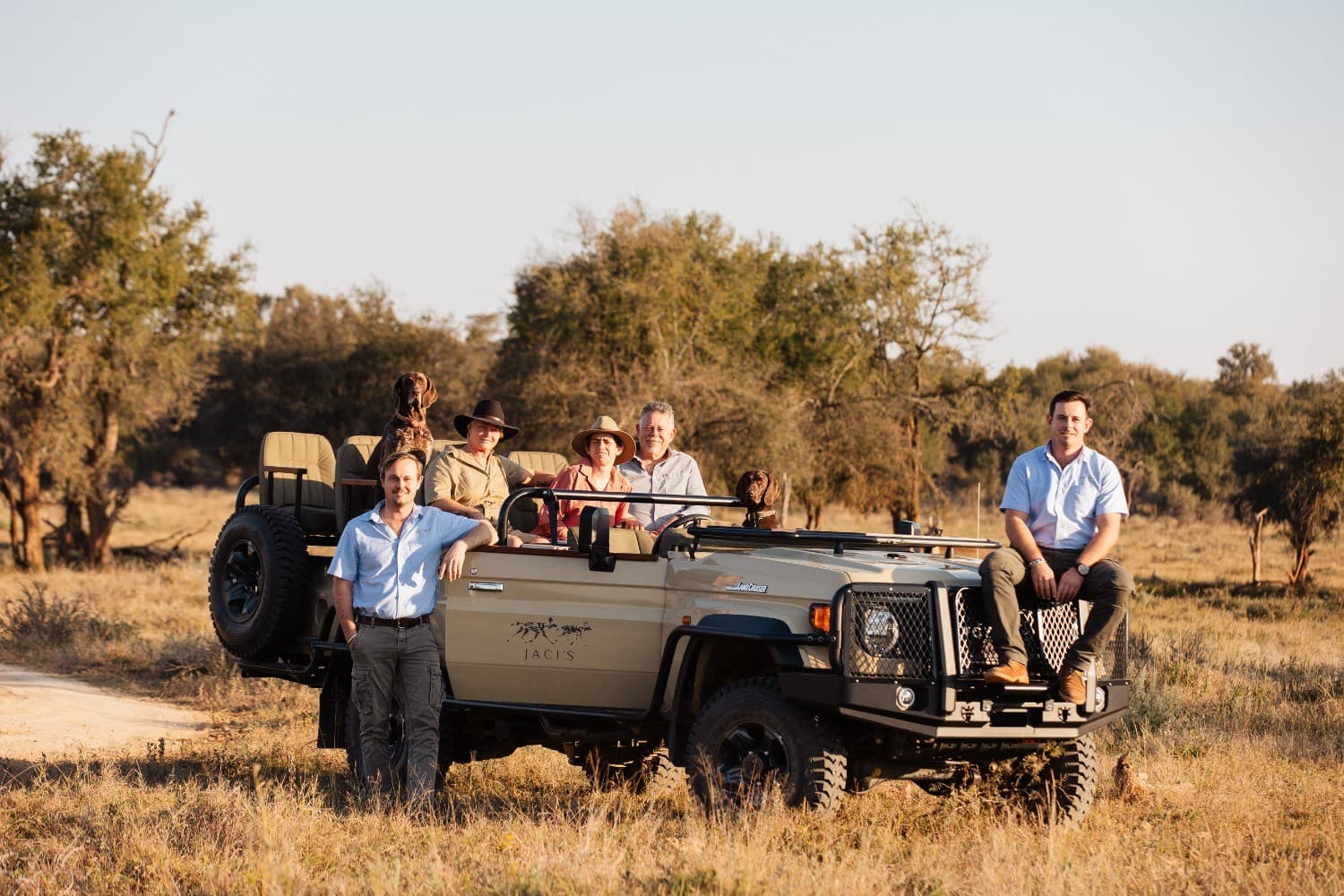
The Story of Jaci’s Private Lodge: Family, People and 26 Years in Madikwe game reserve
The Story of Jaci’s Private Lodge: Family, People and 26 Years in Madikwe game reserve The history of Jaci’s Private Lodge begins long before this family-run safari lodge became part of the Madikwe landscape. Jan and Jaci first met while living and working on Bazaruto Island, surrounded by the ocean, wild places and the kind […]
Safari Guide
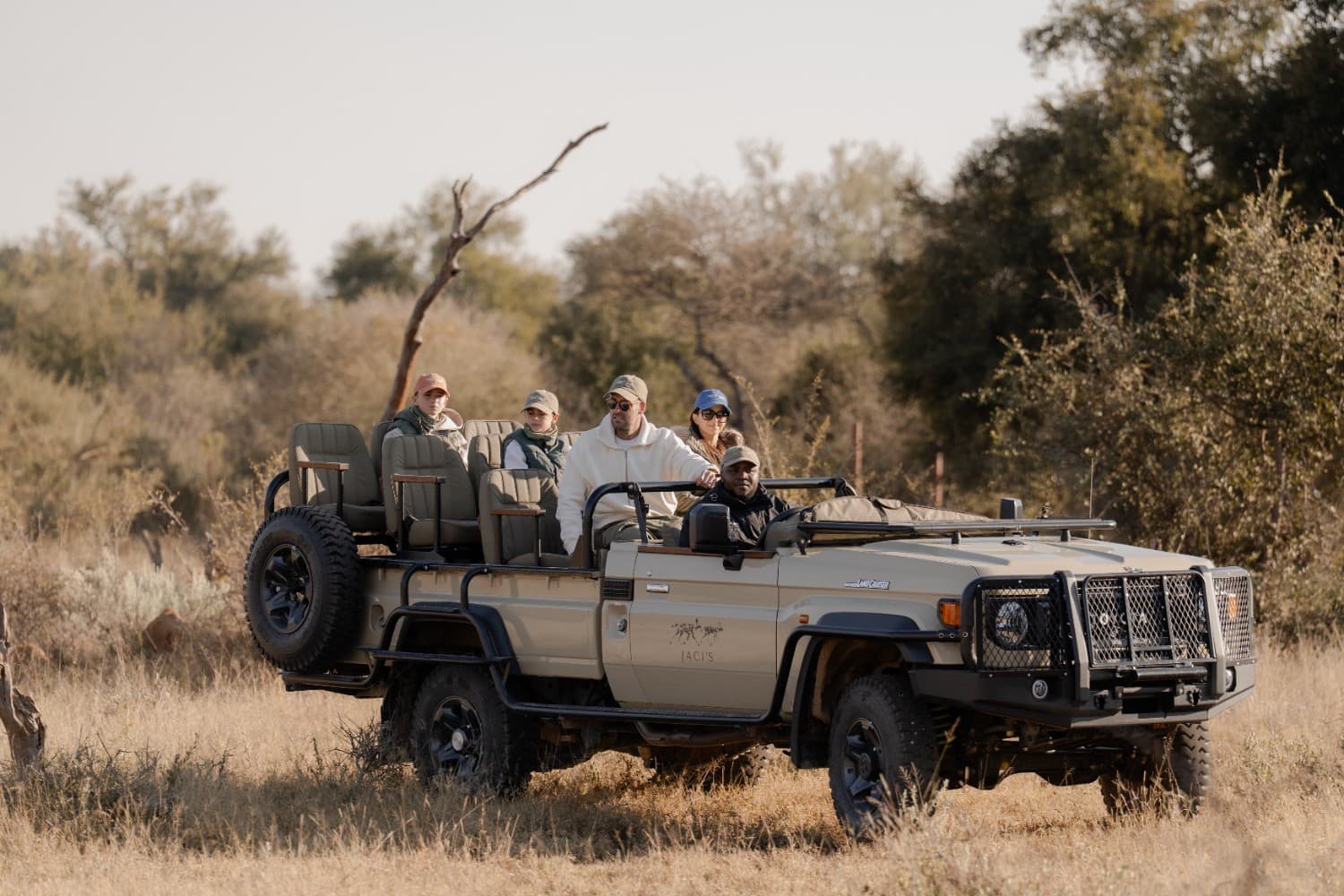
Why Madikwe Is One of the Best Destinations for a First Safari in South Africa
Why Madikwe Is One of the Best Destinations for a First Safari in South Africa Madikwe Game Reserve has a way of making a first safari feel complete. It is the kind of African safari that works especially well for a first timer. For guests planning their first safari in South Africa, there is often […]
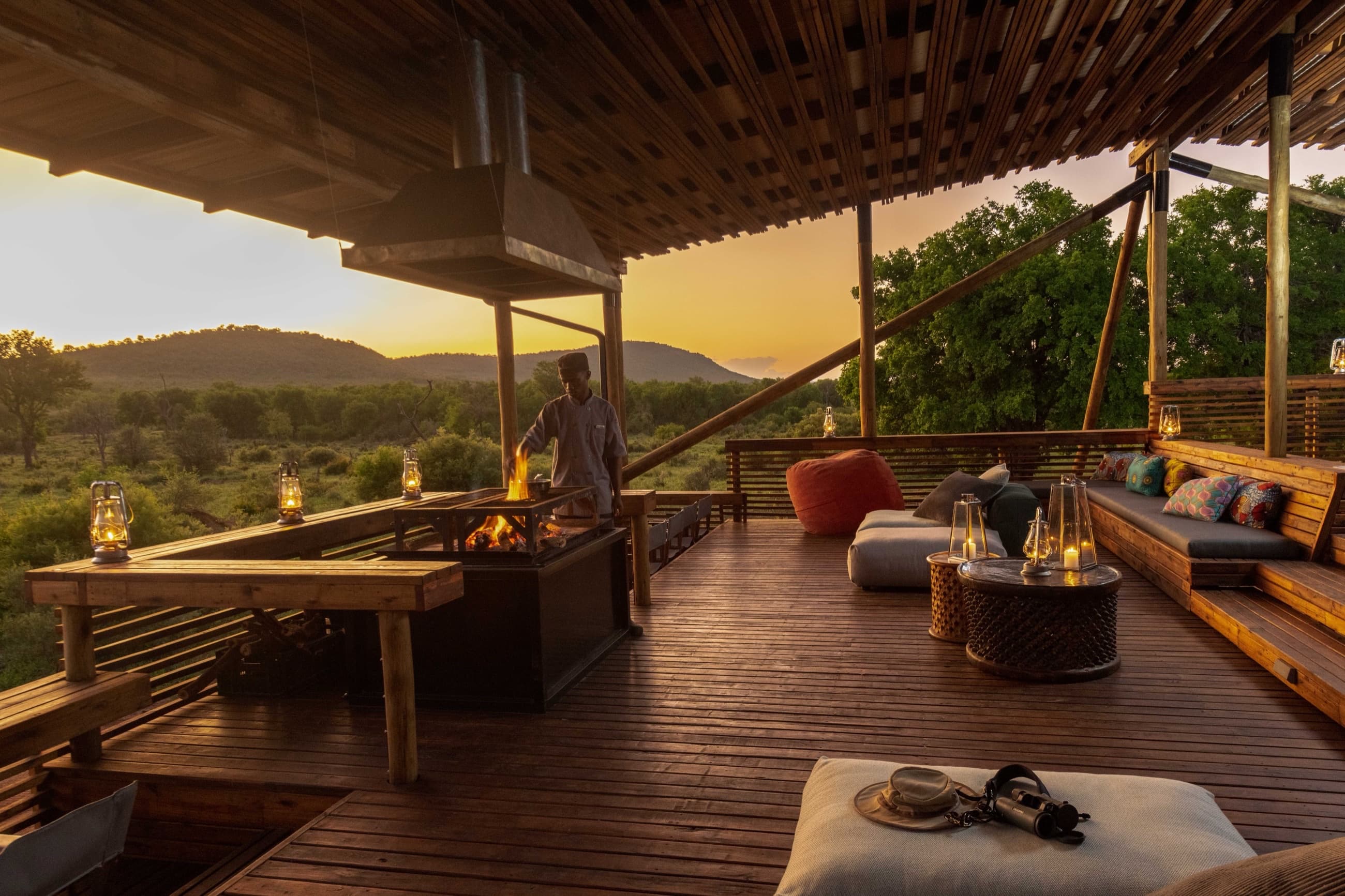
Experience Madikwe with us
Come for the wildlife, stay for the warmth, and leave with a deeper connection to Madikwe.