
Wildlife
Rhinos in Madikwe: Safari Lodge Guide
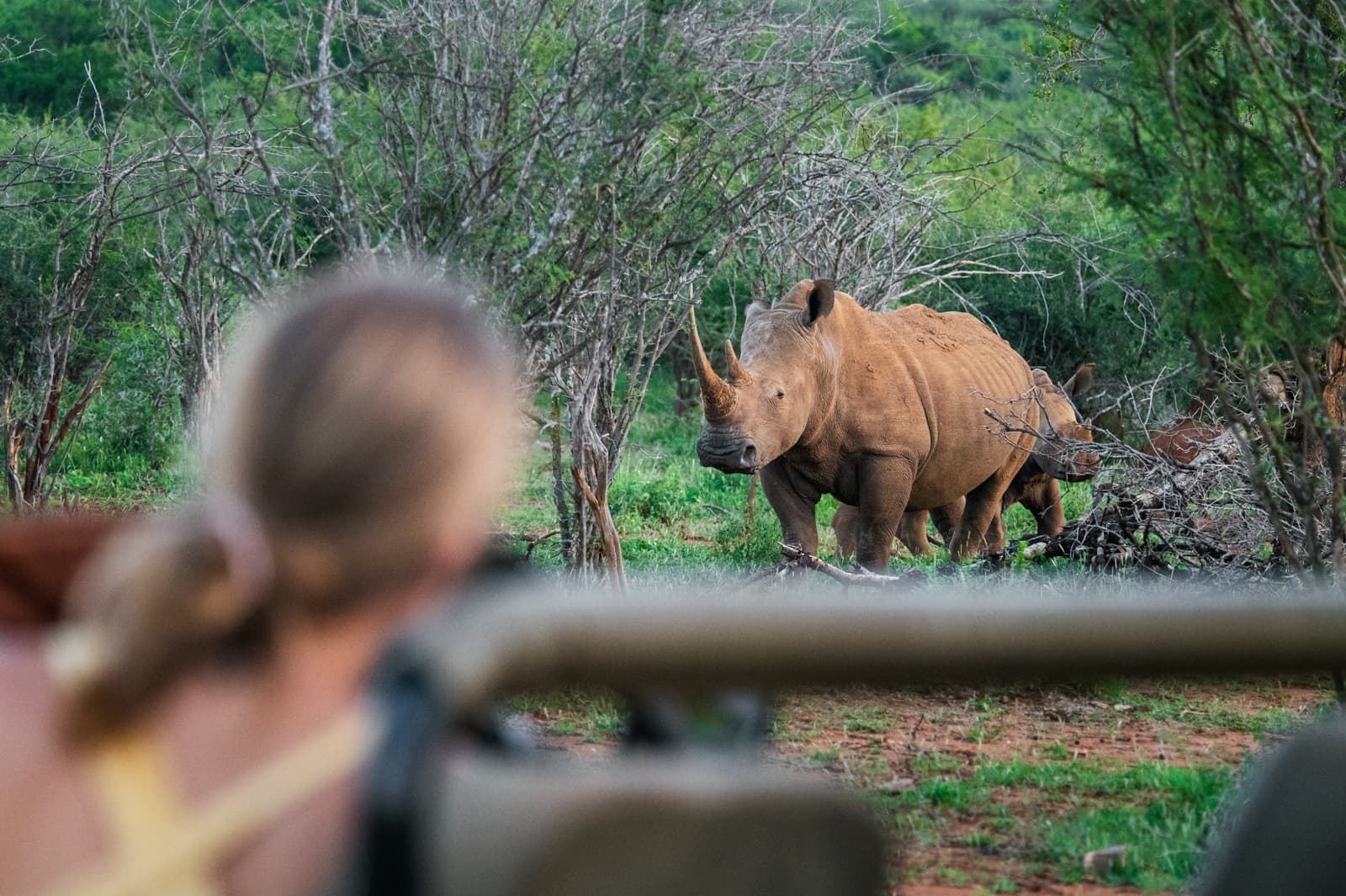
Our day often starts before sunrise, noses steaming in the chill air as we set out in our sturdy safari vehicles. On a recent morning, the guide pointed to pale crescent tracks in the dust, unmistakably white rhino footprints. Soon, we spotted the source: a broad-shouldered white rhino mother with her calf, flicking her ears to flick flies away. We watched breathlessly as they waded into the dam for an early drink. The experience is exhilarating. Rhinos in Madikwe are free ranging and often calm around vehicles, a true privilege for our guests. As expert guides, we share each detail: the white rhino’s square lips nipping at grass, the black rhino’s pointed lip reaching for a branch. These encounters, in the quiet blush of African twilight, are what Jaci’s private lodge exists to facilitate.
Madikwe is home to both of Africa’s rhino species. White rhinos (Ceratotherium simum) are fairly common here. Our surveys indicate that white rhino families often move in small herds of females with calves. Black rhinos (Diceros bicornis), which are naturally rarer and more solitary, are also present, though less frequently seen. The reserve’s size (75,000 ha) and dedicated care have made it a refuge for these endangered giants. Some guests are surprised to learn that, unlike certain parks where rhinos have been dehorned, Madikwe protects them whole. This, along with anti-poaching vigilance, shows confidence in the reserve’s security and respect for these iconic animals.
White vs. Black Rhino Behavior
The two species exhibit distinct behaviors that guests enjoy learning about. White rhinos are grazers with a more placid demeanor. On one afternoon drive, our guide pointed out a bull guarding a small “crash” of cows (his family group). The bull stood grunting as younger females fed on grass – a classic matriarchal system, though in white rhinos, a territorial bull often patrols alongside the females. White rhinos have blunt, wide lips that they use to crop short grass; guests can sometimes see dust clouds kicking up as they move about.
Black rhinos, by contrast, browse on leaves and branches. They have a hooked lip for grasping foliage and are generally more skittish. I remember one evening when a lone black rhino cautiously approached a waterhole. It stood alert, shaping its ears to listen for predators, then swiftly drank before melting back into the mopane bushes. Guides respect these shy animals’ space; sightings are rare, so when a guest’s camera lens captures that pointed muzzle and horn, the excitement is palpable. Neither species is truly nocturnal, but both can be seen at night; however, Jaci’s private lodge focuses on drives at dawn and dusk when rhino movements are easiest to cross paths with.
Territory and scent marking are key rhino behaviors to know. Male rhinos often create dung piles known as middens to mark territory. If we come across fresh dung deposits during a drive, our guide notes they act like signposts for other rhinos. Guests often spot bulls flapping their ears in these areas, sending warning cues. We stress gentle viewing: even though rhinos have poor eyesight, they have acute hearing and smell. During a sighting, we keep the vehicle quiet and downwind, so the rhinos stay at ease.
Conservation, Anti-Poaching & Safety
Seeing rhinos in Madikwe today is the result of relentless conservation. Nationally, the rhino population has suffered from poaching; over 200 rhinos were killed in South Africa in one year. Madikwe counters this with an electric 150 km fence and armed patrols. Jaci’s private lodge supports the reserves anti-poaching units: guides sometimes join patrols, and our guests can choose to learn about and support rhino conservation programs.
A few rhino fun facts to know before you arrive:
- Rhino horn is composed primarily of keratin (the same protein found in human hair and fingernails), growing in layers from specialized skin cells.
- Bulls weigh up to 1 200 Kg and cows about 800 Kg. of these two species, black rhinos are generally smaller than white rhinos.
One more ethical note that matters: in many places, rhino protection is deliberately quiet. Guides and lodges may avoid sharing specific rhino locations, and travelers should be cautious about posting real time locations or identifiable geo-data from rhino sightings.
Safari Sightings & Best Seasons
The dry winter months (June–September) are ideal for game viewing. Vegetation thins and animals concentrate around water, so it is easier to track a rhino by following trails or spoor to water points. Conversely, in the green summer season, rhinos may roam more widely amid lush vegetation, making sightings less certain.
Our guests often note they see rhinos during quiet sunrise drives when the bush is still but it is also common to see a lone bull grazing happily in open areas later in the mornings. We also mention that rhinos are year round highlights; a sighting in the green season feels extra special and more dramatic with the vegetation flourishing around the majestic animal, creating beautiful photographs.
FAQs
When is the best time to see rhinos in Madikwe?
The winter dry months (June–September) are best. With sparse vegetation and limited water sources, white and black rhinos gather around remaining waterholes, making encounters much more likely.
How many rhinos live in Madikwe?
Official counts aren’t public, but both species are well represented. White rhinos are common here. Black rhinos are present but fewer in number. Strong anti-poaching measures help maintain a stable population, though exact numbers are not disclosed.
Are rhinos dangerous for safari vehicles?
Rhinos have poor eyesight but good hearing and smell. If approached calmly and quietly in a safari vehicle, they typically ignore us. We advise guests never to stand or shout; by staying still and following the guide’s cues, encounters are safe and respectful. We’ve never had a serious incident, thanks to our lodge’s safety protocols.
How do rhinos behave around each other?
Rhinos are largely solitary, except mothers with calves. White rhinos may form small groups (cows with calves), while black rhinos are more solitary. They establish home ranges. During drives we often see white rhino “crashes” of females. Males mark territory with dung and scent to avoid conflicts. We make these observations part of the safari story.
What anti-poaching measures protect Madikwe’s rhinos?
Madikwe has an electrified perimeter fence and dedicated rangers on patrol night and day. Local lodges (including ours) support these efforts with equipment and funding. In practice, we ride behind these security lines: our guides are trained to immediately report any sign of trespass. This vigilance has been crucial to keeping Madikwe’s rhinos safe.
Keep reading
More from the Journal

Awards & Recognition
Jaci’s Private Lodge Wins 4 LUXE Global Awards 2026
Jaci’s Private Lodge Celebrates Four Wins at the 2026 LUXE Global Awards We’re proud to share an exciting milestone for Jaci’s Private Lodge: four honors at the 2026 LUXE Global Awards, recognizing our approach to safari hospitality and the experience we continue to create in the heart of Madikwe Game Reserve. Jaci’s Private Lodge was […]
Jaci’s Stories
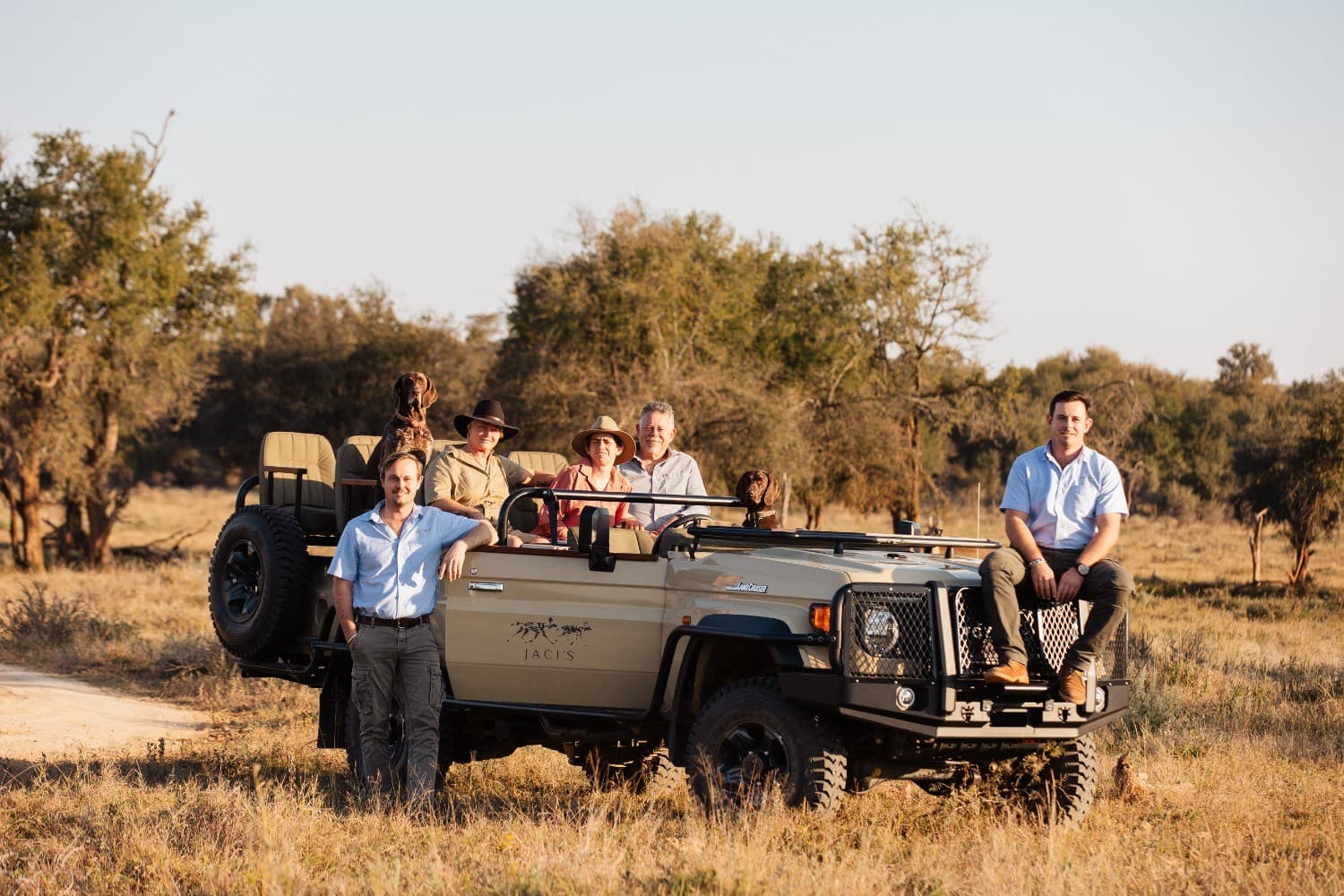
The Story of Jaci’s Private Lodge: Family, People and 26 Years in Madikwe game reserve
The Story of Jaci’s Private Lodge: Family, People and 26 Years in Madikwe game reserve The history of Jaci’s Private Lodge begins long before this family-run safari lodge became part of the Madikwe landscape. Jan and Jaci first met while living and working on Bazaruto Island, surrounded by the ocean, wild places and the kind […]
Safari Guide
Why Madikwe Is One of the Best Destinations for a First Safari in South Africa
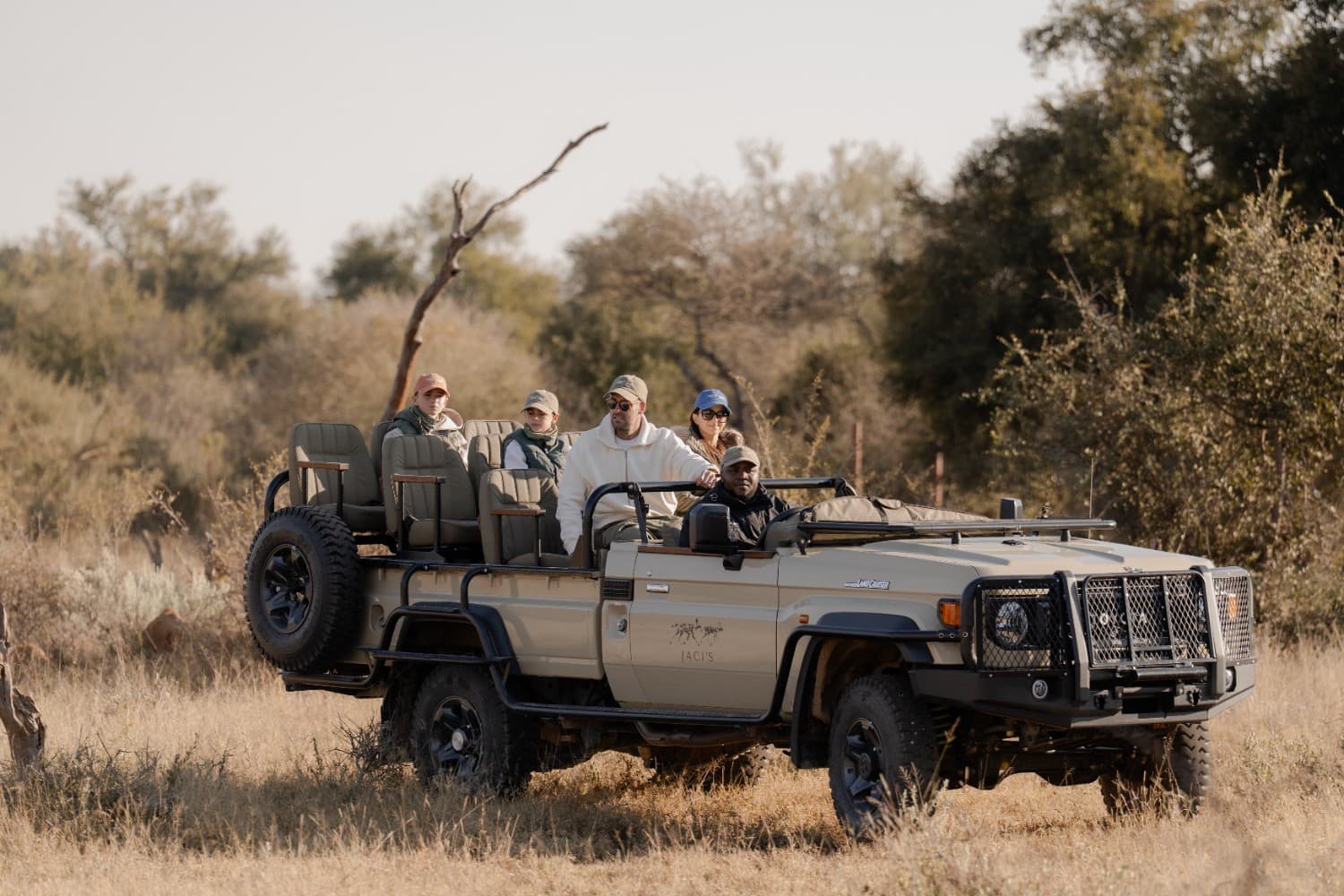
Why Madikwe Is One of the Best Destinations for a First Safari in South Africa Madikwe Game Reserve has a way of making a first safari feel complete. It is the kind of African safari that works especially well for a first timer. For guests planning their first safari in South Africa, there is often […]

Experience Madikwe with us
Come for the wildlife, stay for the warmth, and leave with a deeper connection to Madikwe.